

Preservation Chicago has released their annual list of Chicago’s most endangered buildings. Since 2003, the Chicago 7 Most Endangered has sounded the alarm on imminently threatened historic buildings and community assets in Chicago to mobilize the stakeholder support necessary to save them from demolition. “Despite seemingly impossible odds, the public interest generated by the Chicago 7, coupled with devoted advocacy, has resulted in a remarkable number of preservation victories over the past 20 years,” said Ward Miller, Executive Director of Preservation Chicago.
Here is Preservation Chicago’s 2026 Chicago 7 Most Endangered list:
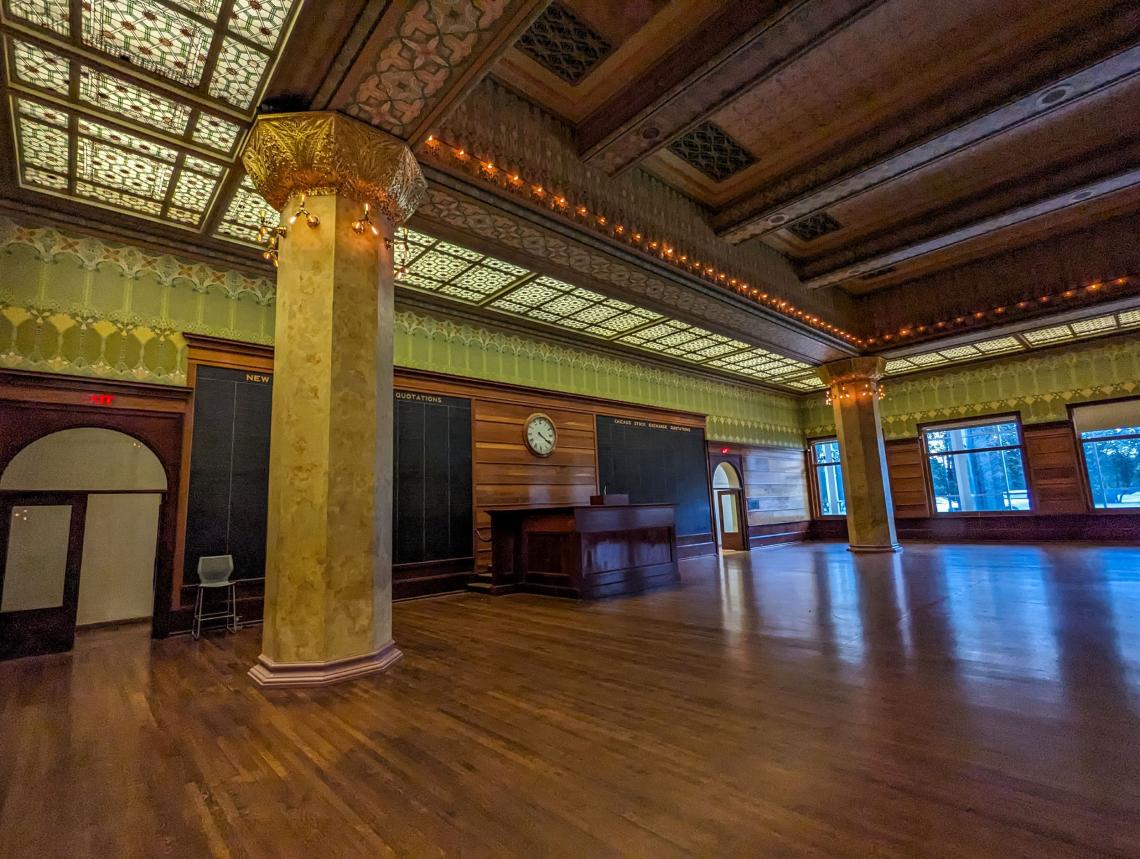
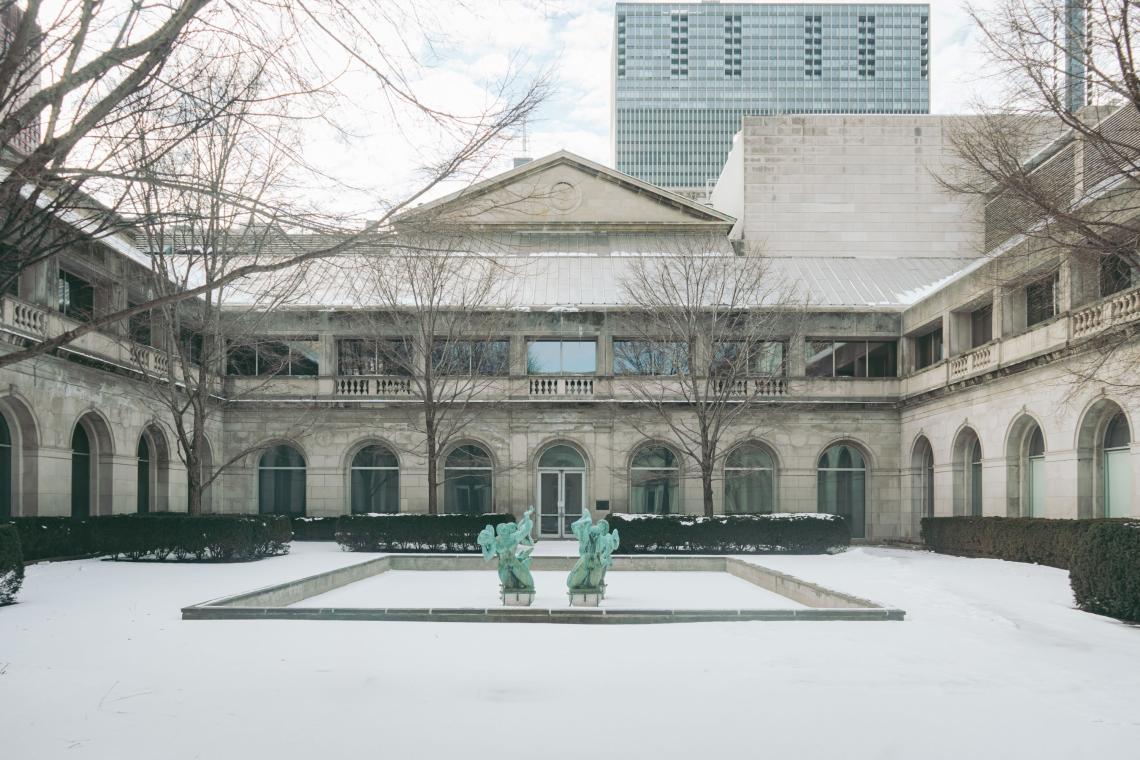
1. The Chicago Stock Exchange Trading Room and McKinlock Court at The Art Institute of Chicago
 Art Institute of Chicago - Stock Exchange Trading RoomEric Allix Rogers
Despite widespread public opposition to demolition and a passionate advocacy effort to save it, the Chicago Stock Exchange Building was demolished in 1971-1972. When it became clear that the building would be lost, fearless leaders made the extraordinary decision to save the world-renowned Chicago Stock Exchange Trading Room and the elaborately ornamented entry arch fronting LaSalle Street and relocate them to The Art Institute of Chicago.
 Art Institute of Chicago - McClintock CourtLily Ma
As part of upcoming expansion plans, the Art Institute of Chicago is considering the demolition of the Chicago Stock Exchange Trading Room by Adler & Sullivan. Preservation Chicago encourages the Art Institute of Chicago to preserve and protect both the Chicago Stock Exchange Trading Room and McKinlock Court. Preservation Chicago supports a new wing addition to The Art Institute to be located within the railroad trench, which currently splits the museum building in two.
--
2. Chicago River Bridges and Tender Houses
 Chicago River Bridges and Tender HousesChris Cullen
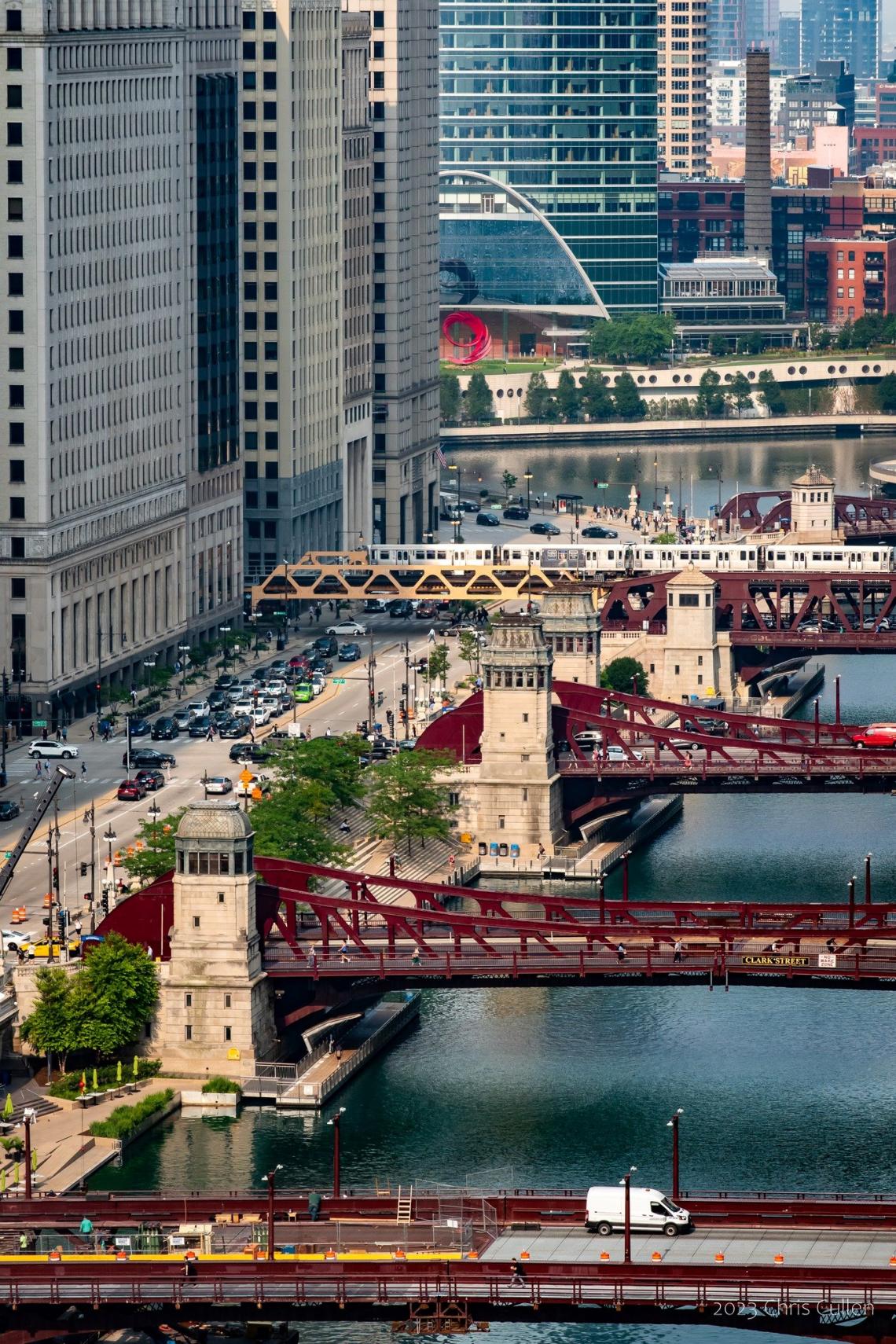
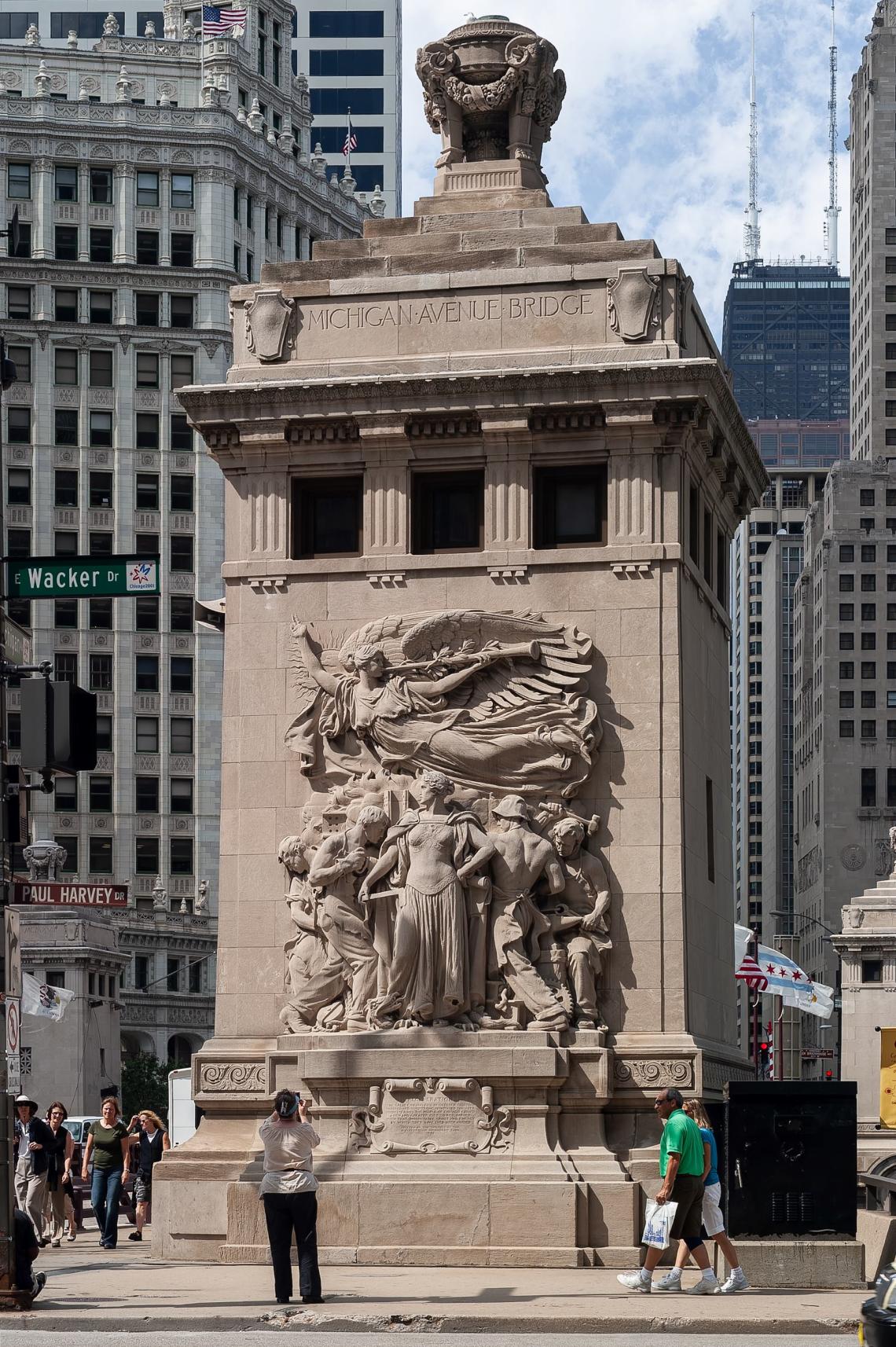
Chicago has the largest collection of movable bascule bridges in the world and is recognized internationally as a leading innovator in bridge engineering. Paired with these amazing structures are the bridge tender houses, which house the operations for raising and lowering the bridges as needed. By the 1910s, these tender houses went from the simple, utilitarian structures to remarkably beautiful gateways.
 Chicago River Bridges and Tender HousesSerhii Chrucky
Today, many of these bridges and bridge tender houses need significant repair and sometimes replacement of the metal span. We fully support the necessary investment to make sure these essential infrastructure elements retain their function. Additionally, we encourage stakeholders and decision-makers to value and retain the historic appearance and design aesthetic of our bridges and bridge tender houses. Replacing them with non-descript highway-standard bridges would be a significant loss.
--
3. St. Mary of the Assumption Roman Catholic Church
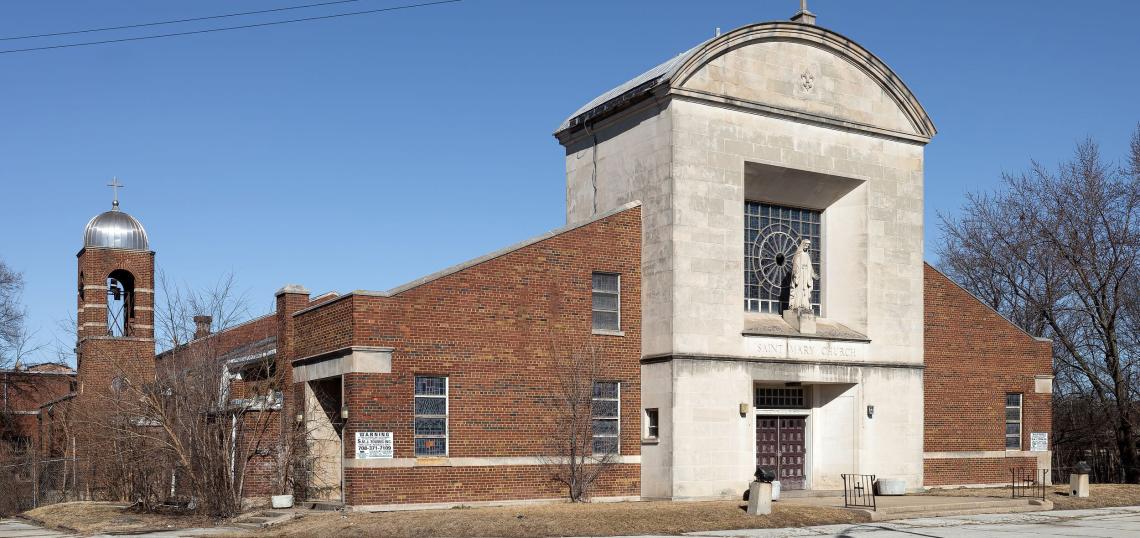
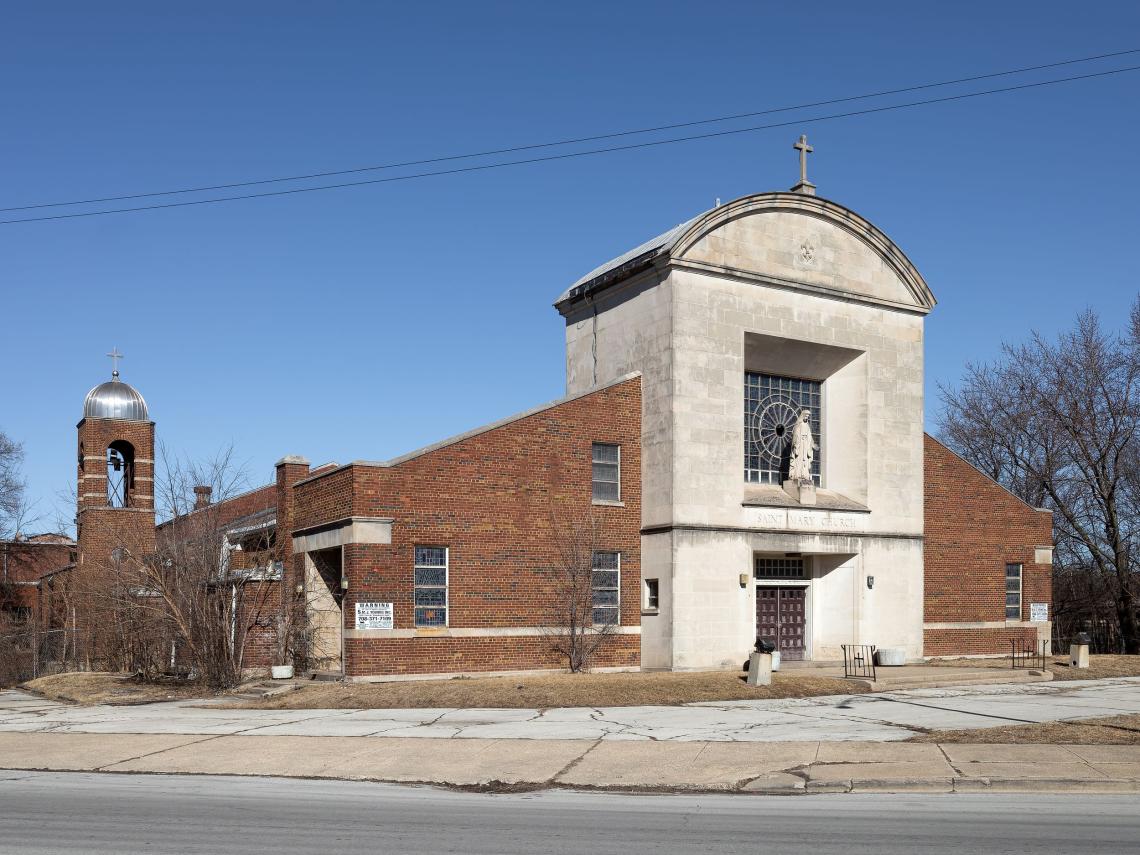 St. MarysSerhii Chrucky
St. Mary’s Church, also known as St. Mary of the Assumption Church and School, was organized in 1886 to initially serve 30 German Catholic families. Located at 138th and Leyden Avenue, it’s in the Riverdale community in the furthest southern part of Chicago. An early one-story combination of church and school building, constructed in 1918, was designed by Hermann Gaul. The mid-century church structure, designed in a simplified Renaissance style, was completed in 1957 by Chicago architect George S. Smith. With the election of Pope Leo XIV (Robert Prevost) in 2025, the St. Mary’s Church and School complex gained national and international historic significance as his childhood parish.
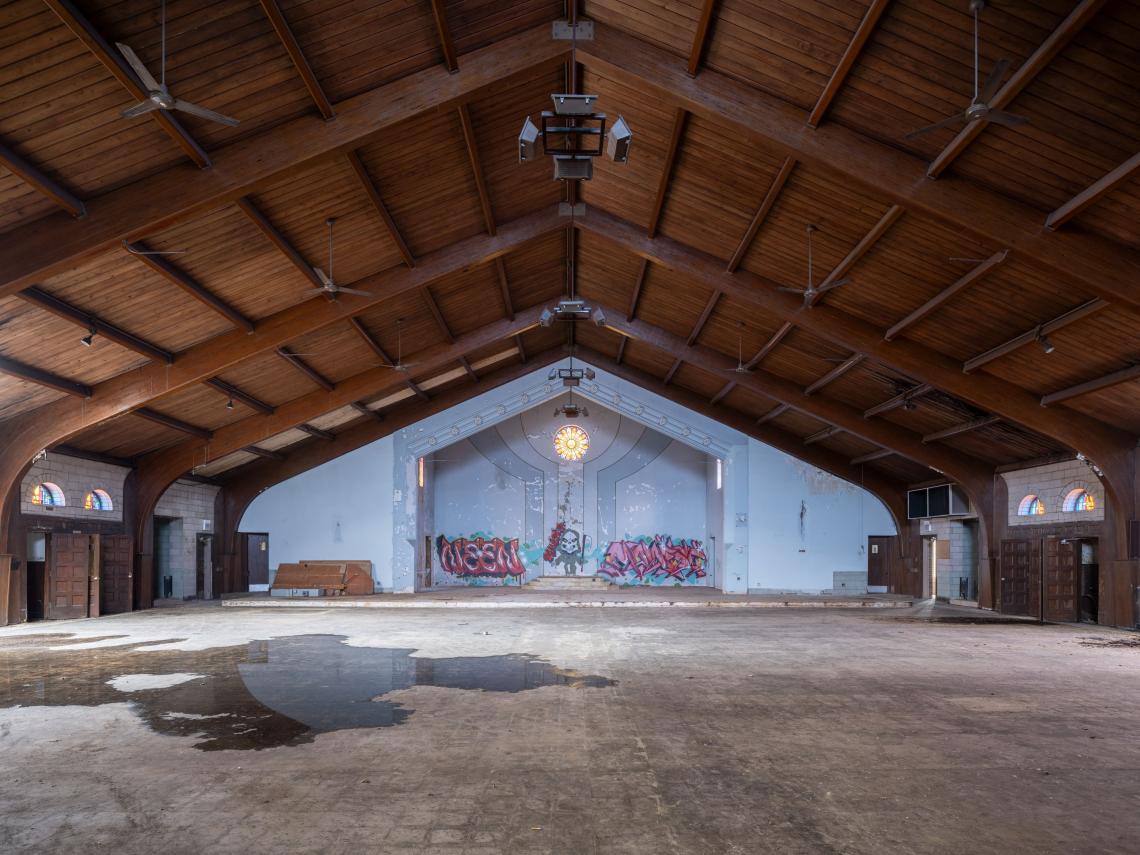 St. MarysSerhii Chrucky
Unfortunately, the parish has been out of operation since 2011 and merged with nearby parishes due to its declining membership. The vacant church and school buildings have experienced significant deterioration because of a damaged roof and windows. Efforts are being made to preserve the property. In May 2025, Preservation Chicago formally requested designation of the church as a Chicago Landmark to protect it from demolition and support its restoration.
--
4. Chicago's Labor Union Halls
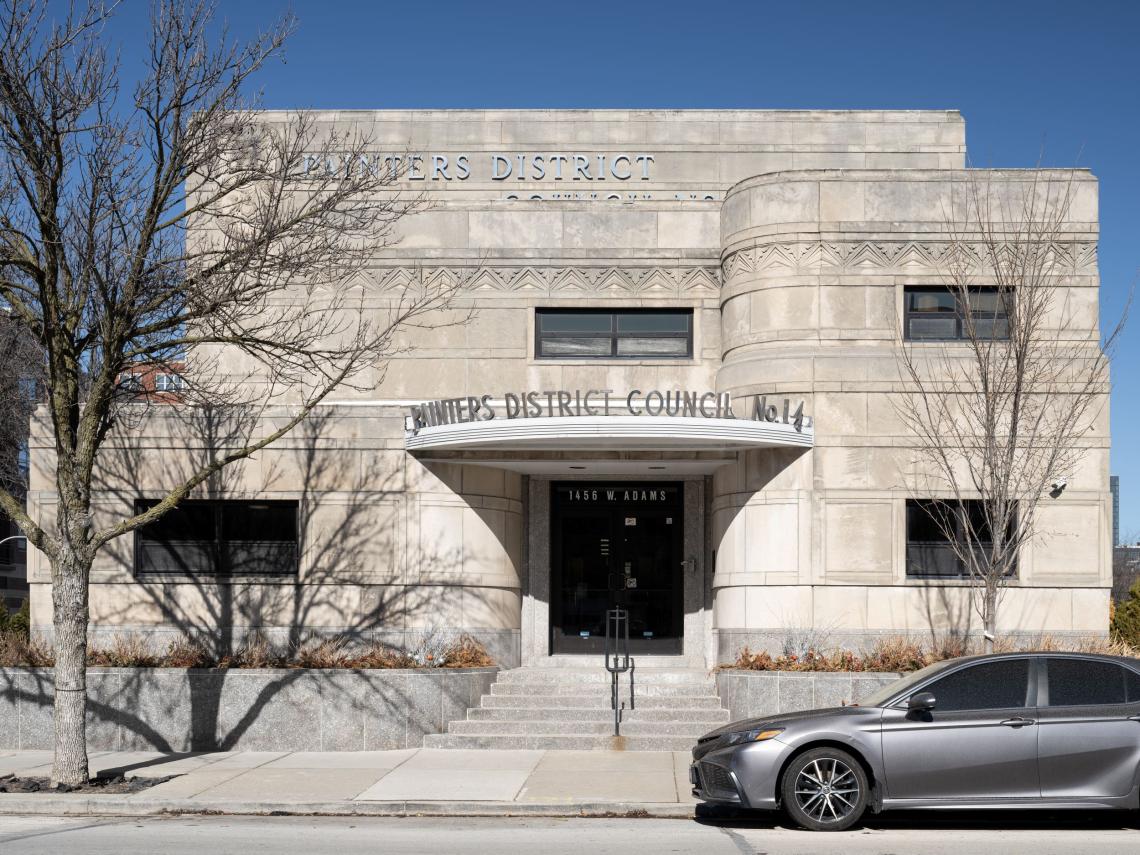 Union Halls - Painters HallSerhii Chrucky
Chicago’s union history originates from the rapid industrialization of the late 19th century, when the city was buzzing with railroads, stockyards, manufacturing, steel production, printing and shipping. Many labor organizations were established in Chicago in the early to mid-20th century and many built their own union halls. Some of these union halls were purpose-built, while others occupy existing buildings with rich histories that were adapted and reused.
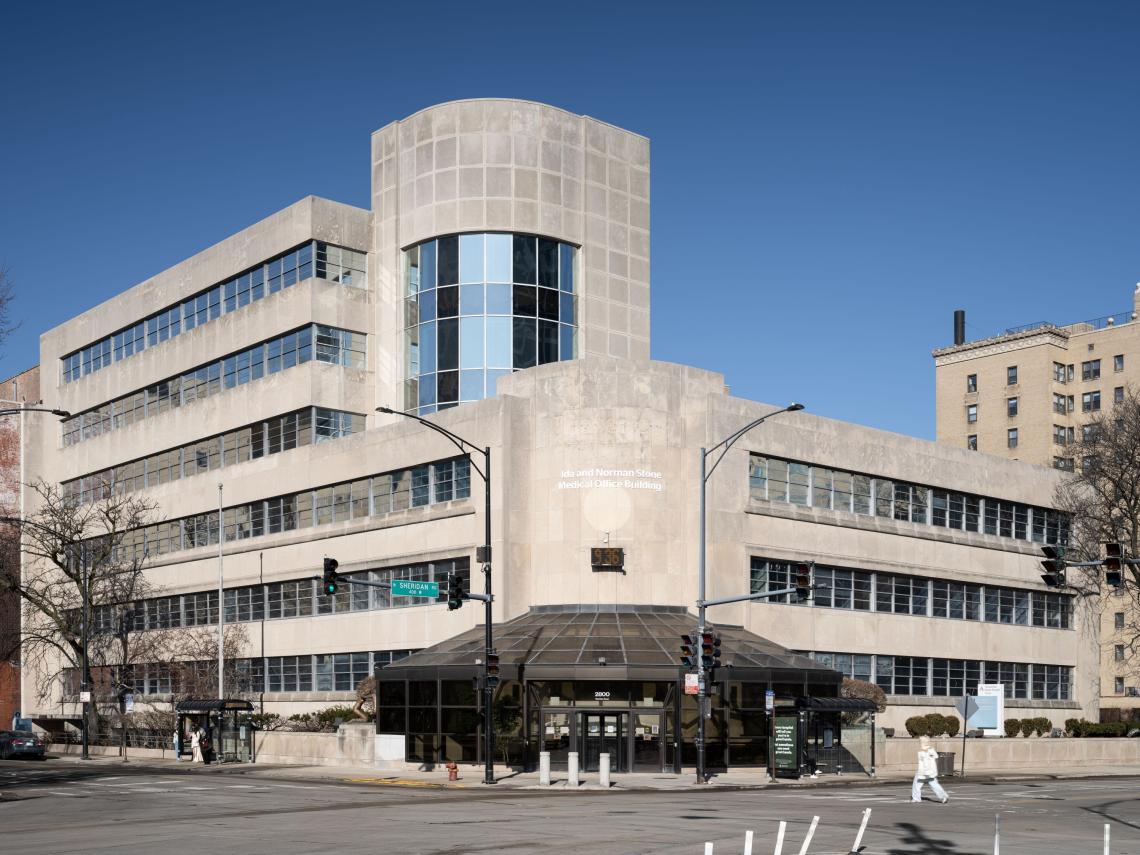 Union Halls - 2800 N SheridanSerhii Chrucky
Preservation Chicago has been aware of several Union Labor Halls which are in need of repairs, have been listed for sale in recent years, and others that are facing potential demolition threats. One is the Amalgamated Meat Cutters and Butcher Workmen of North America Building at 2800 N. Sheridan Road, where a new residential development is planned. Preservation Chicago recommends considering protections for these structures and perhaps a Chicago Landmark designation of many of these structures as part of a thematic Chicago Landmark District, across the city.
--
5. Chicago Loop Synagogue
 Chicago Loop SynagogueLily Ma
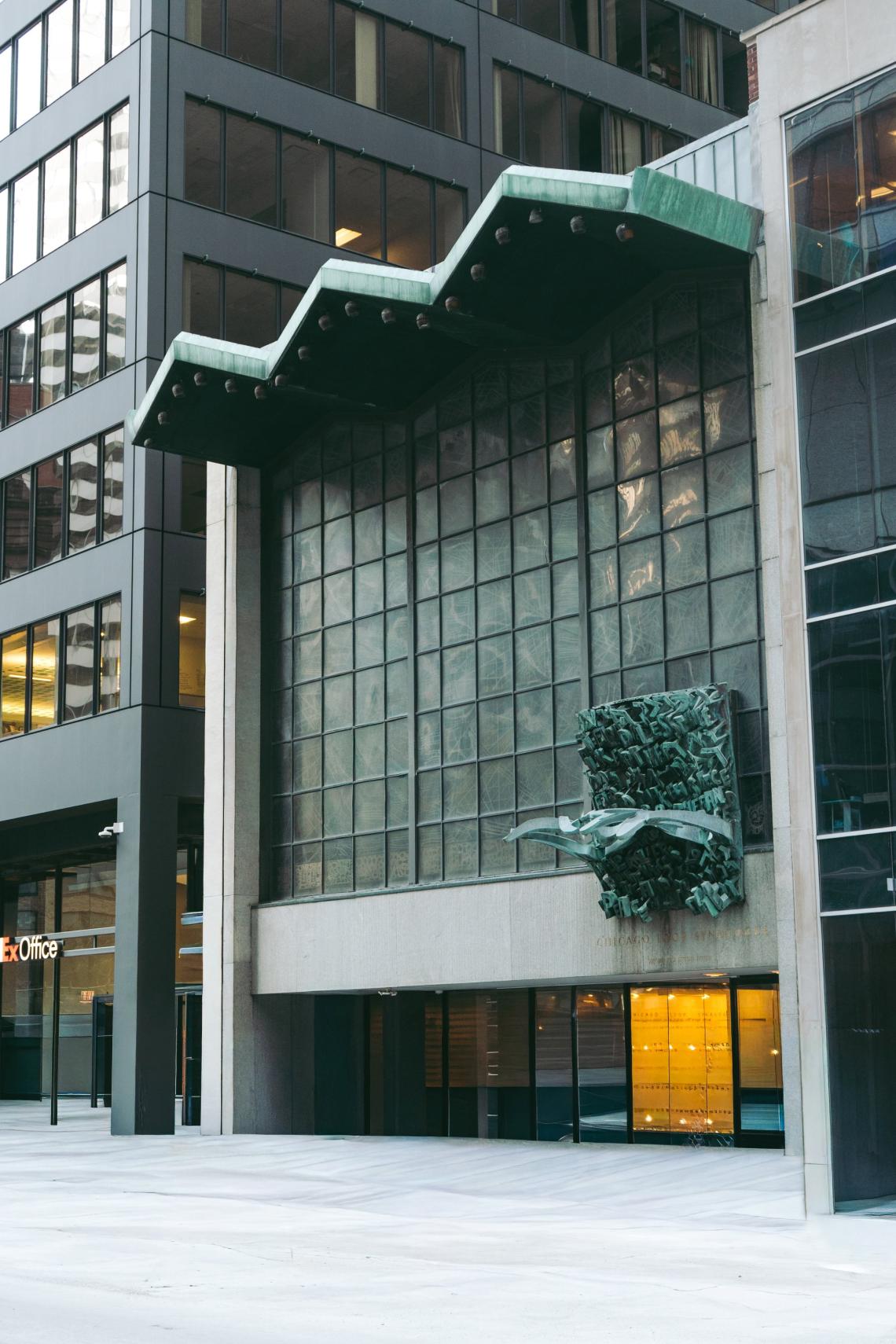
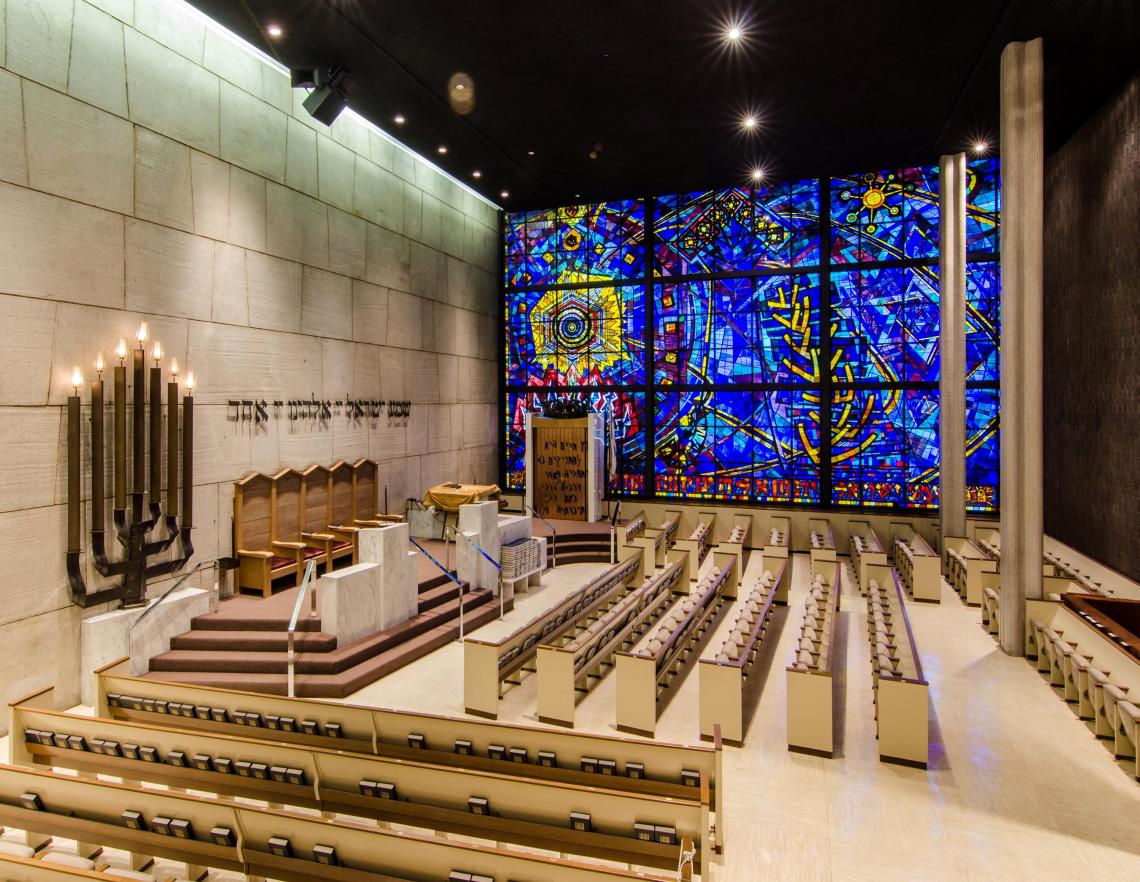
The Chicago Loop Synagogue at 16 S. Clark Street was designed in 1957 by the famous Chicago firm Loebl, Schlossman & Bennett. The 1957 synagogue contains a world-famous stained-glass window on its eastern wall that was designed by Abraham Rattner. Above the entrance is a sculpture by Henri Azaz. Attendance at the Chicago Loop Synagogue has been in decline for many years and the synagogue’s membership has fallen to under 400. Matters worsened in the winter of 2025-2026, when a recent severe cold caused the synagogue’s boiler pipes to burst and placed additional strain on its already fragile finances.
 Chicago Loop SynagogueEric Allix Rogers
Adaptive reuse and future development of the synagogue can be approached incrementally while respecting its historic character. One option is to get internal reinvestment through the sale of air rights to fund building repairs and improvements. A second option is to explore the potential use of the adjacent property at 6-8 S. Clark Street, which could provide additional program space and generate income for the synagogue without impacting its historic fabric.
--
6. South Park Terrace Apartments
 South Park Terrace ApartmentsSerhii Chrucky
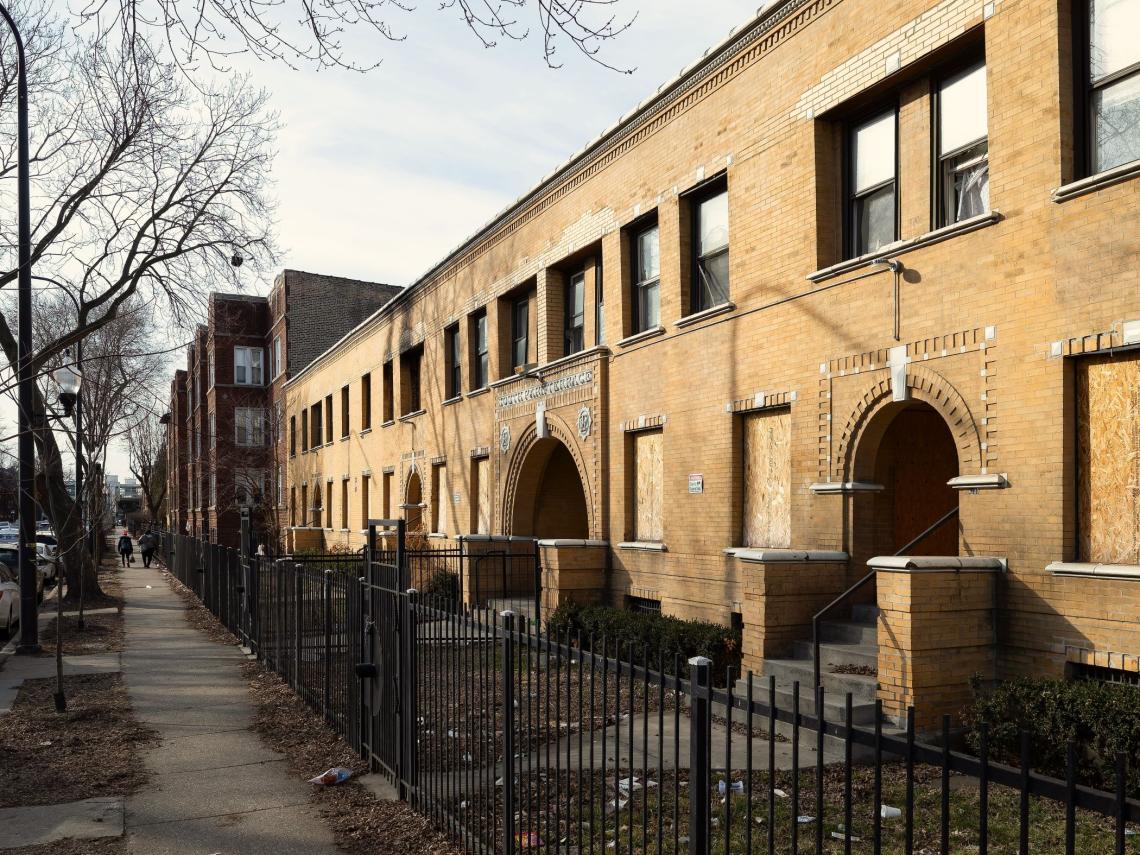
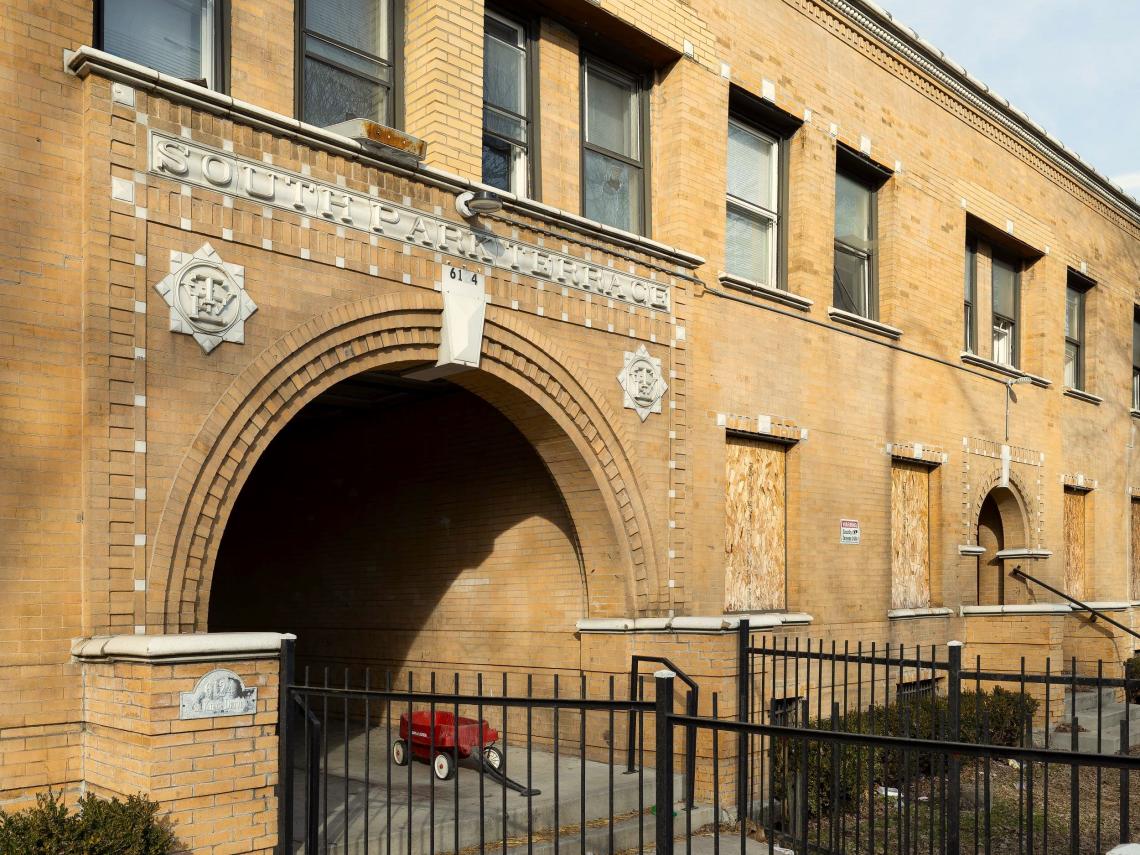
South Park Terrace Apartments was constructed in 1905, providing affordable housing near Washington Park. Designed by architect Harry Hale Waterman, a Frank Lloyd Wright associate, the Prairie School style building recalls Wright’s Francisco Terrace Apartments. In 2025, South Park Terrace's condition had deteriorated due to owner neglect. In March 2025, a portion of the building caught fire, leaving visible burn marks on the blonde facade’s brickwork around boarded-up windows on the building’s second floor. On June 11, 2025, the city ordered residents to vacate the building’s middle tier with only two days’ notice.
 South Park Terrace ApartmentsSerhii Chrucky
Realizing the significance of the South Park Terrace Apartments, we would request the City of Chicago to take steps toward preserving the building. Perhaps action could include encouraging one of its sister agencies, like the Chicago Housing Authority, the Cook County Land Bank Authority, or a developer partner to acquire, repair and restore the property as needed. Preservation Chicago believes that the property should be valued and the structure repaired and given Chicago Landmark status.
--
7. Yukon Building
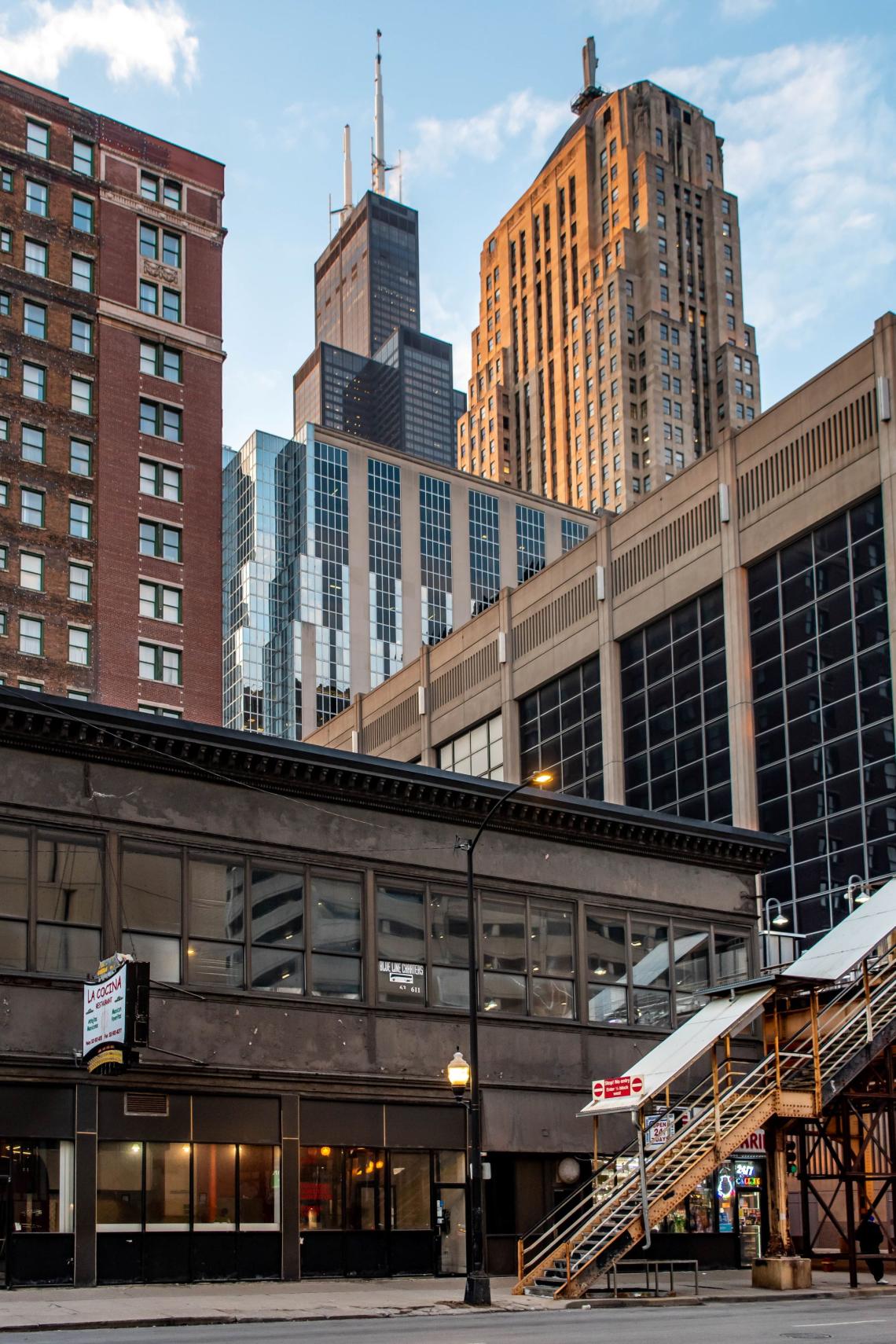 The Yukon BuildingChris Cullen
The two-story Yukon Building, later renamed the Bock Building, was financed and developed by the Brooks Brothers of Boston in 1898. It was designed by Holabird & Roche. The Yukon Building is a fine example of a modest, yet beautiful and innovative structure by one of Chicago’s most prolific architectural firms of the late 19th century. This modest commission, employing a glass and metal structure, is unique in its composition and its program at the time represents a pared-down design.
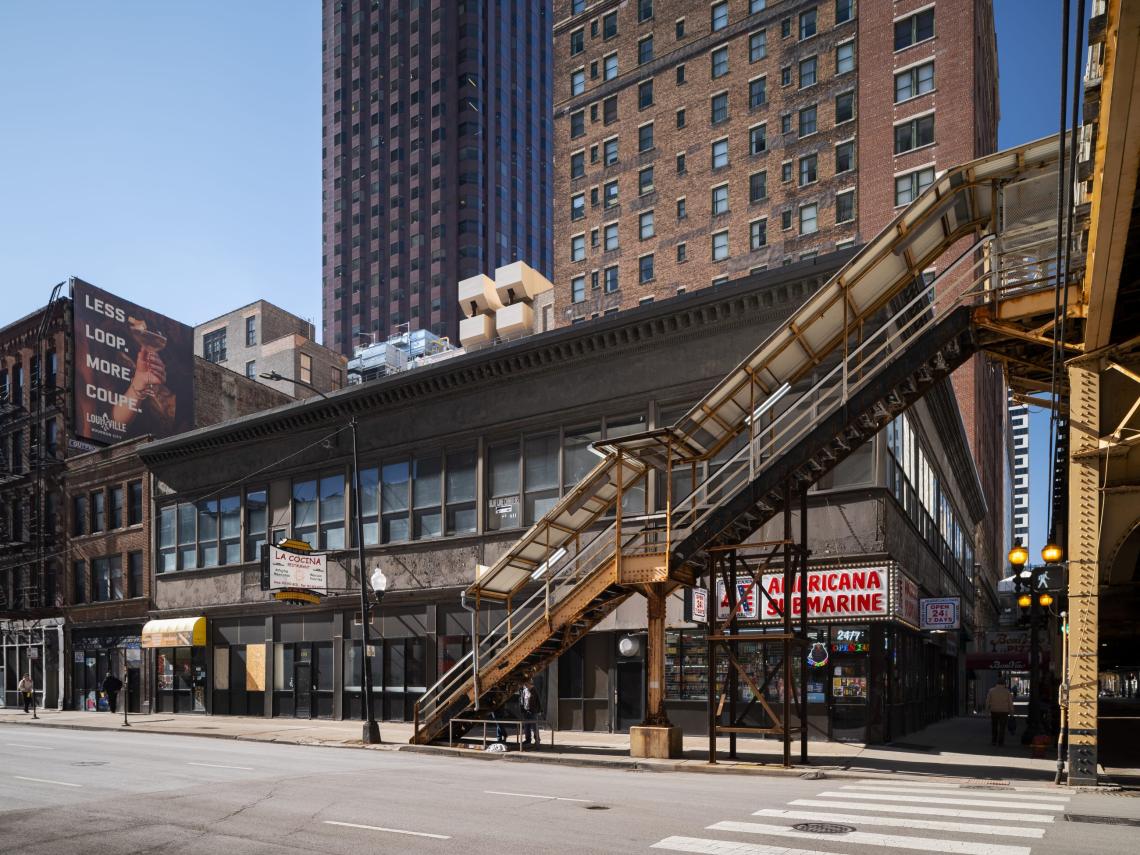 The Yukon BuildingSerhii Chrucky
Preservation Chicago is concerned that recent large vacancies, including several storefronts, and a sales listing may signal an uncertain future for this remarkable historic structure. The organization believes the building should be protected and given a Chicago Landmark designation.
--
8. St. Mark Roman Catholic Church Campus
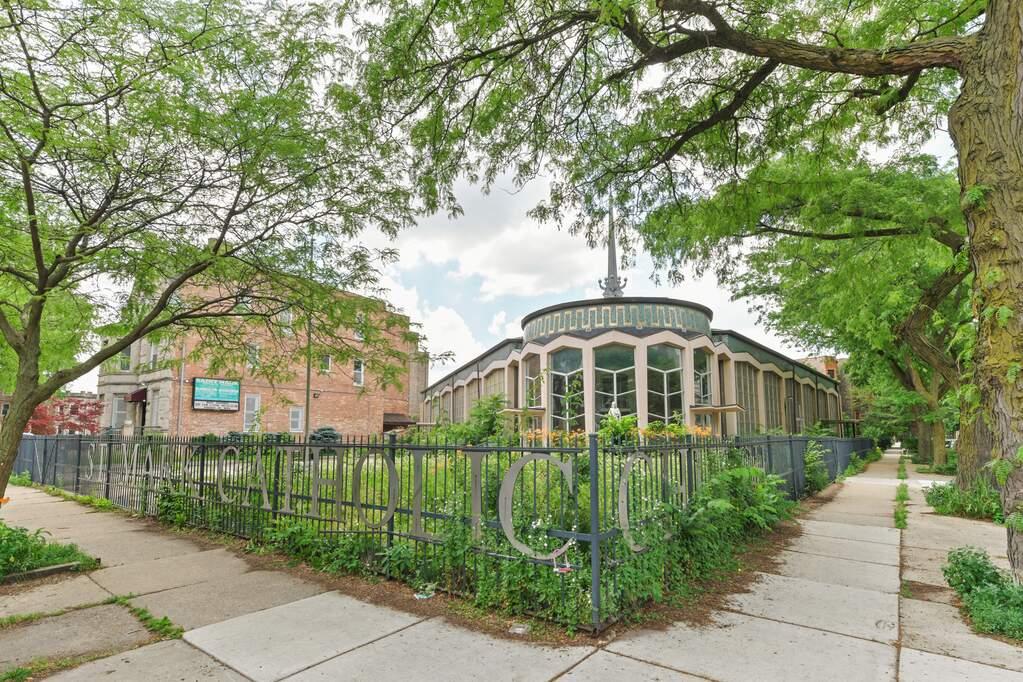 St Marks ChurchVHT
St. Mark Roman Catholic Church Campus has been at the heart of the Catholic community in Humboldt Park since the parish was founded in the 1890s, and the Midcentury modern church was completed in 1963 by Chicago architects Barry & Kay.
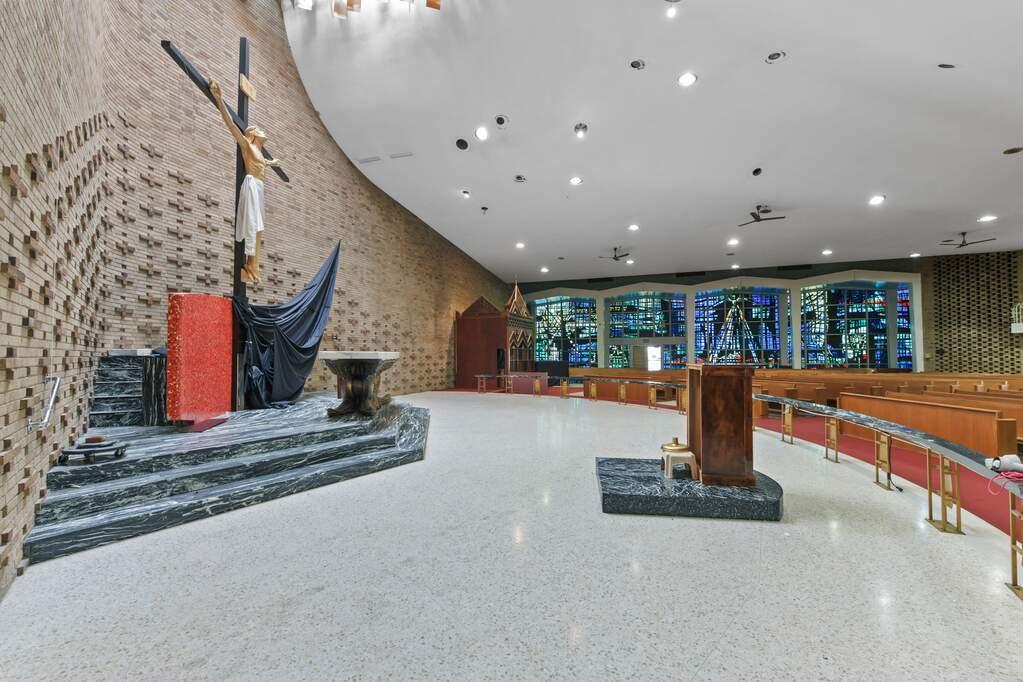 St Marks ChurchVHT
Despite a thriving community, the parish was consolidated by the Archdiocese of Chicago, the church was closed and has since been listed for sale. Fortunately, the local alderman insisted that the school building, which is home to a charter school, be withdrawn from the sales listing. The church is a remarkable building and Preservation Chicago and the neighbors support a creative reuse of the building, perhaps as a community center or a Chicago Public Library Branch location. However, plans have not changed and the buildings are still facing an uncertain future, as they are still listed for sale.