

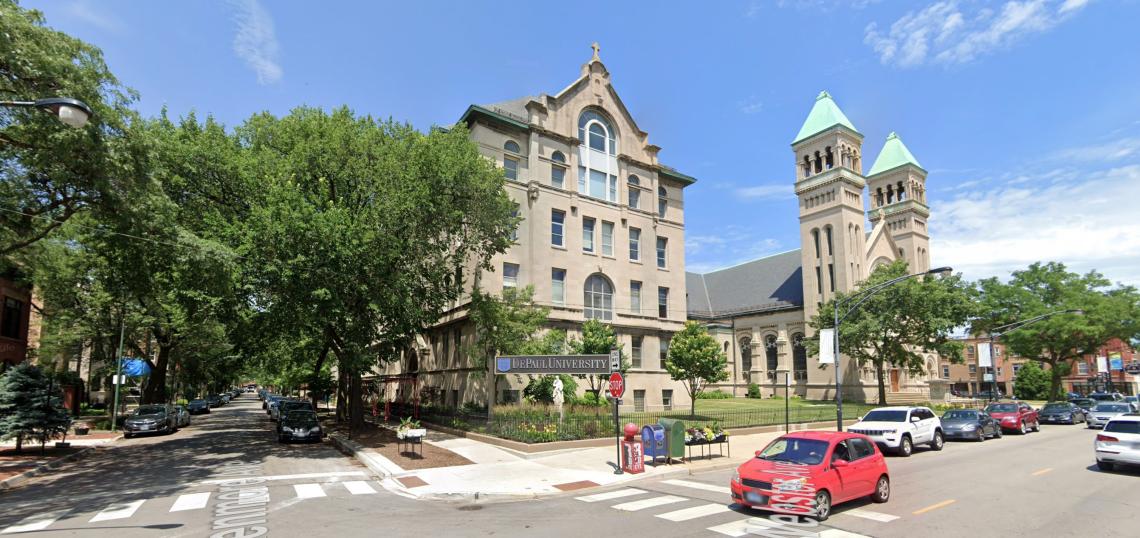
The Commission on Chicago Landmarks has approved a preliminary landmark recommendation for Byrne Hall. Located at 2219 N. Kenmore, Byrne Hall is situated at the northeast corner of W. Webster Ave and N. Kenmore Ave. Built in 1907, the structure was DePaul University’s first building.
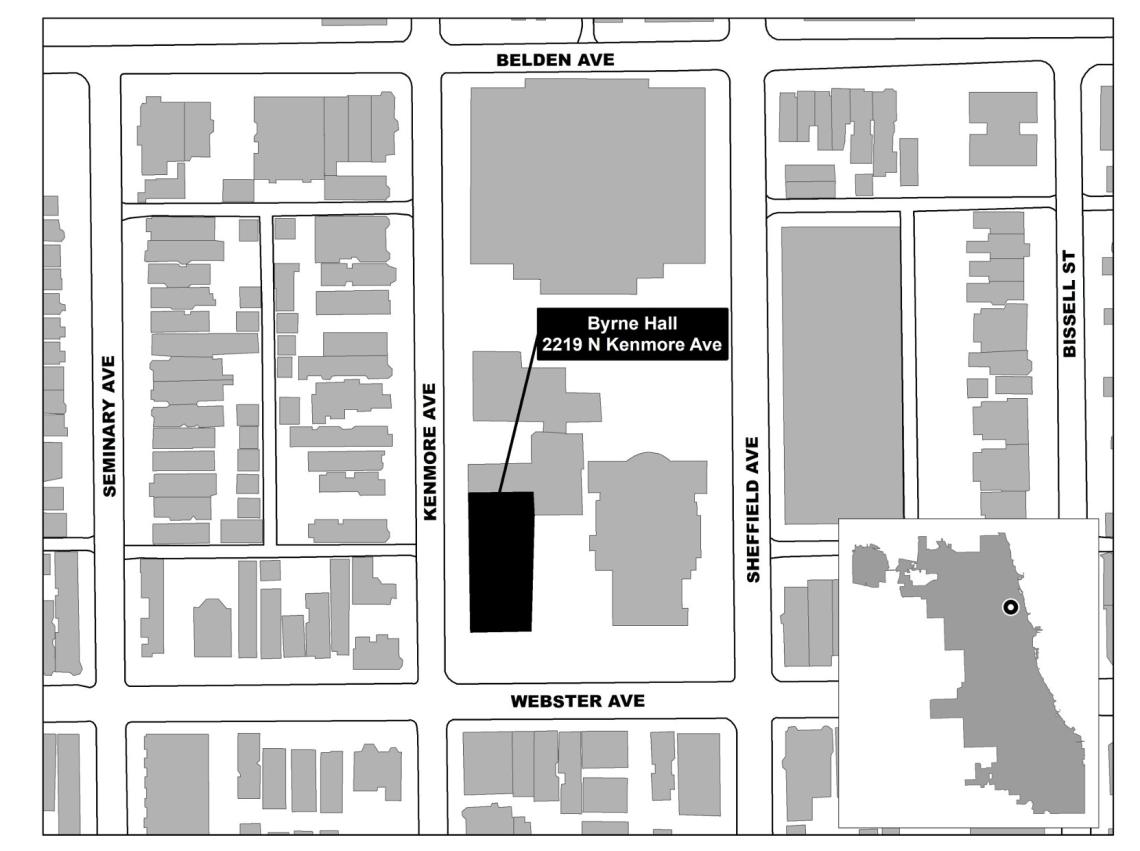 Byrne Hall at 2219 N. KenmoreCCL
Meeting Criterion 1 for heritage, Byrne Hall has served as a community and religious center for the Lincoln Park community for over a century. It has fostered the St. Vincent de Paul congregation as its first dedicated educational building. As the birthplace of DePaul University, the building stands as a tangible example of the Vincentian Order's educational efforts in Chicago. The building rests on the site of the city’s first Vincentian building, converted to an educational facility in 1898.
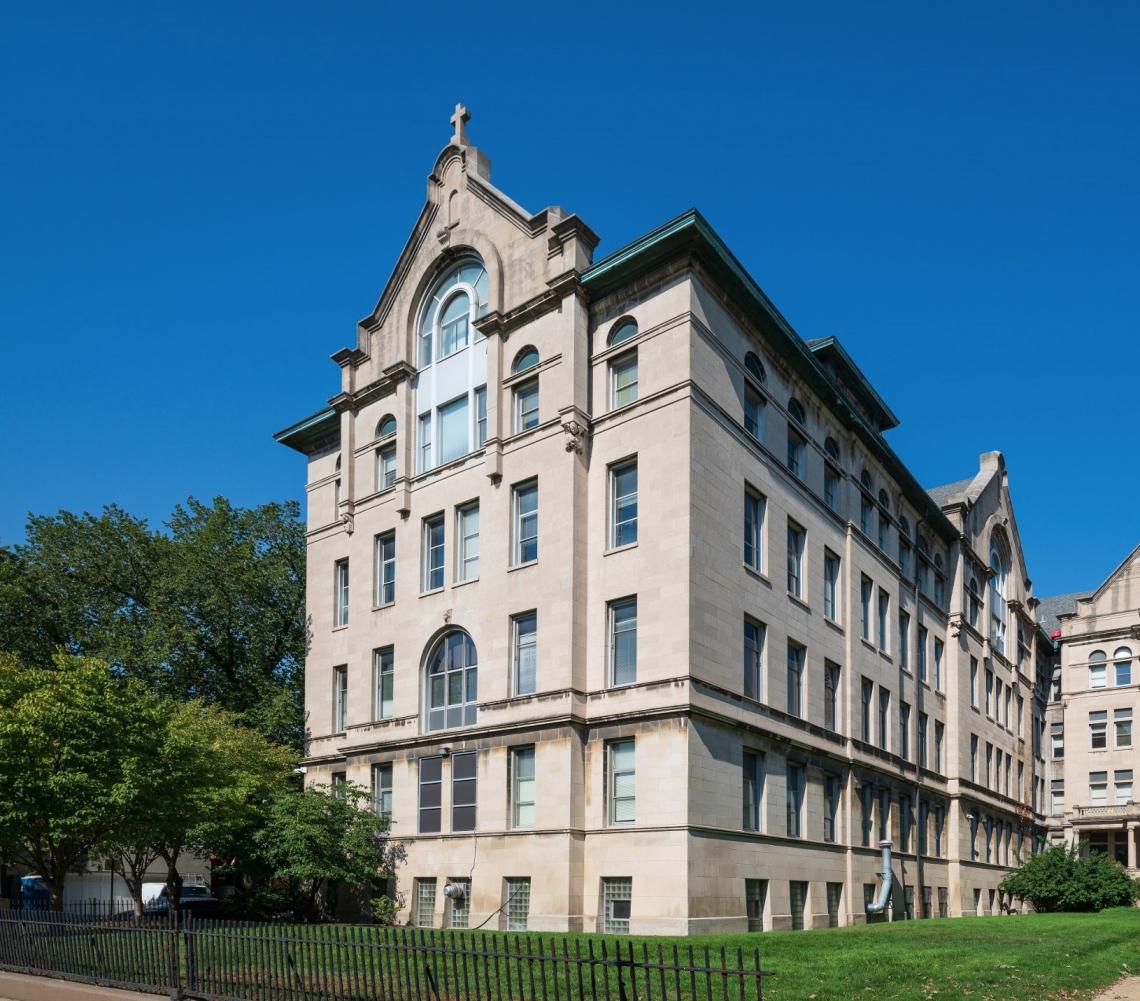 Byrne Hall at 2219 N. KenmoreCCL
In 1907, the academic program expanded, and the first building was replaced with the extant Byrne Hall. Byrne Hall hosted DePaul High School for girls, DePaul Academy for boys, and St. Vincent’s College. In 1907, the college was rechartered as DePaul University, to honor St. Vincent De Paul. By 1924, DePaul University outgrew Byrne Hall and began expanding its physical campus. The building continued to serve as the DePaul Academy until ownership was transferred to the university in 1968.
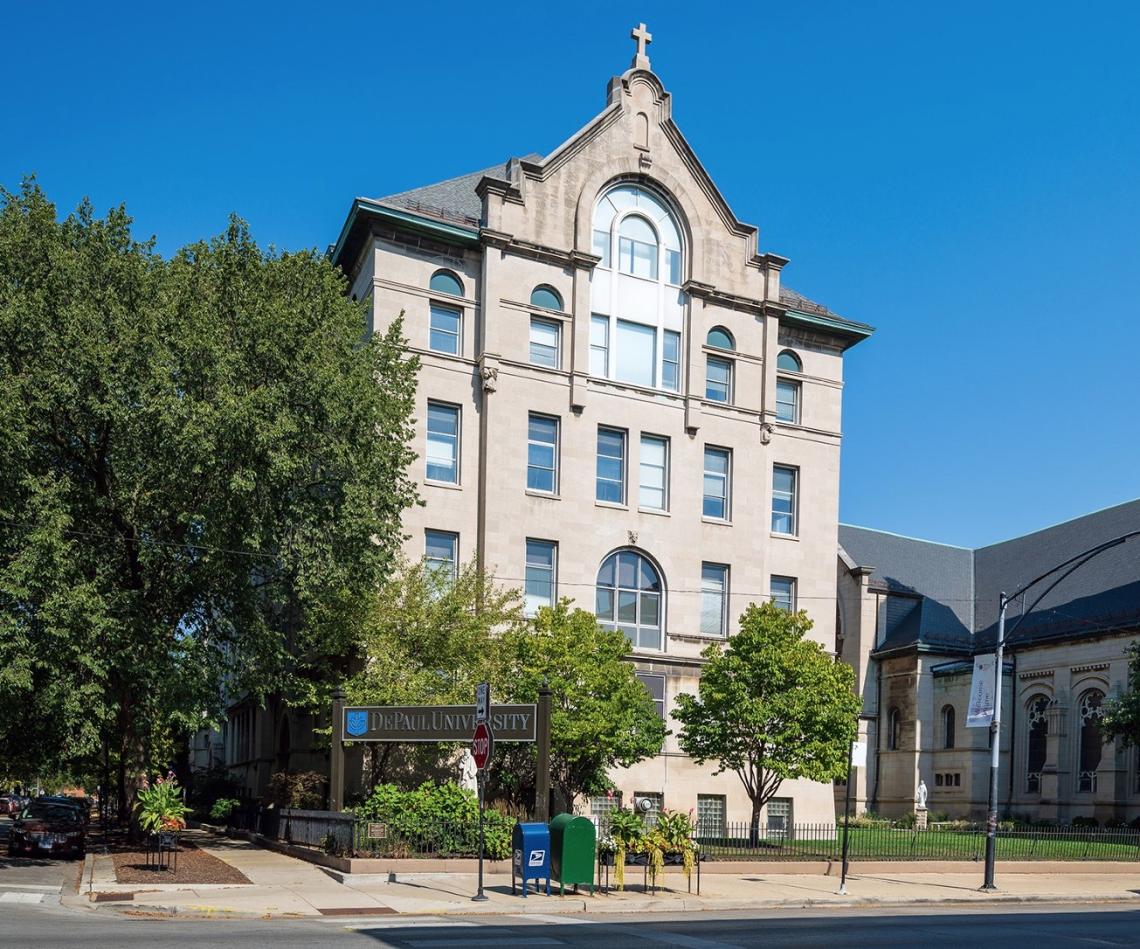 Byrne Hall at 2219 N. KenmoreCCL
Meeting Criterion 4 for its exemplary architecture, the design of Byrne Hall embodies the evolving trends in architecture at the turn of the twentieth century through precise, well-crafted architectural details. With the construction of Byrne Hall, J.E.O. Pridmore moved away from the stylistic precedents of the St. Vincent campus and adopted a modern approach, engaging with the more popular Italian Renaissance Revival style.
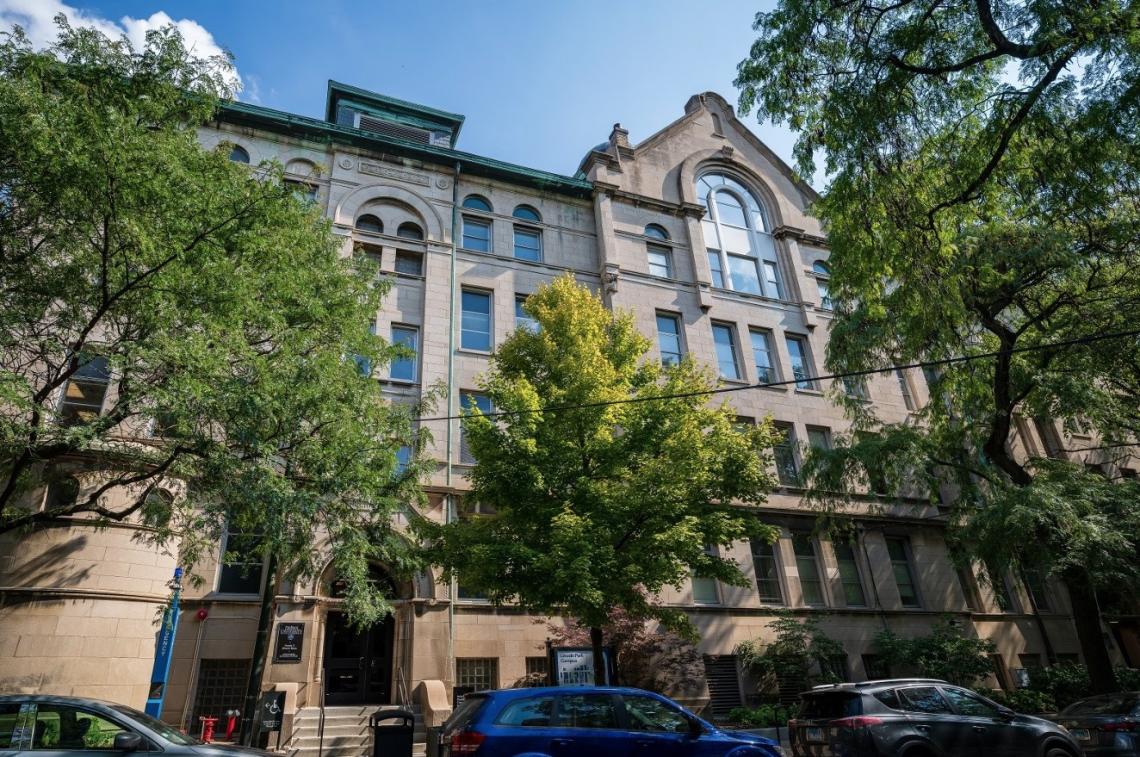 Byrne Hall at 2219 N. KenmoreCCL
Though modest in its design, the exterior of the Byrne Hall illustrates the details of the Italian Renaissance Revival style, popular at the time of construction. The design adheres to the style's principles, including a studied formalism, symmetrical composition, and a humble, restrained use of Classical ornamentation applied to the monochromatic limestone exterior. Furthermore, the building's design illustrates the development of building and life safety codes in the City of Chicago following the tragic Iroquois Theatre fire in 1903.
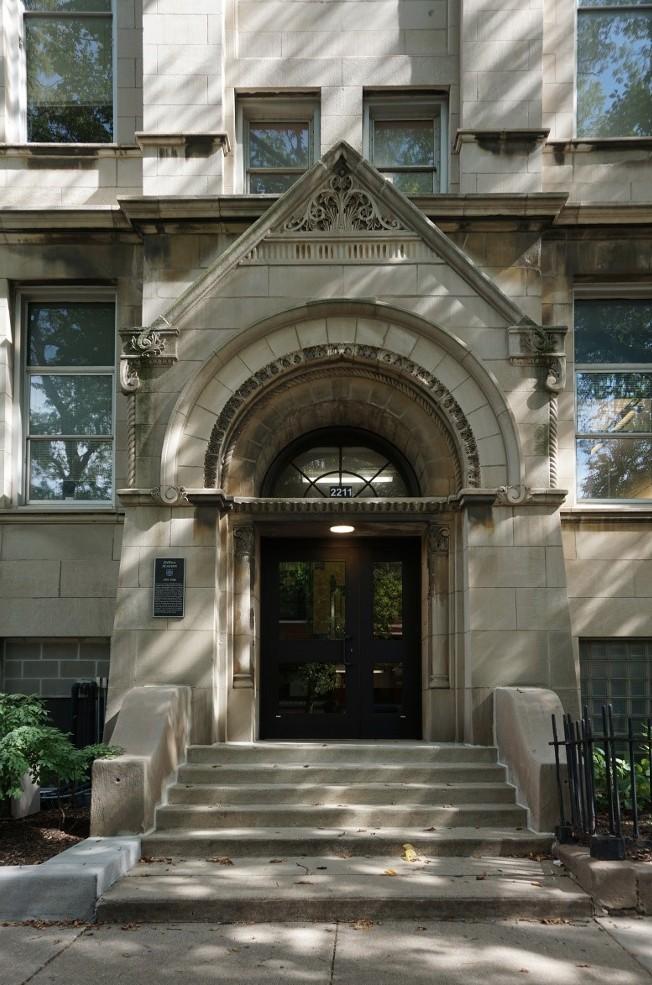 Byrne Hall at 2219 N. KenmoreCCL
The building also meets Criterion 5 for important architect. Born in England and educated in Birmingham, John Edmund Oldaker (J.E.O) Pridmore was a British American architect, best known for his theater and residential designs. Pridmore’s career spanned 50 years and was regarded as one of Chicago’s most notable architects, specifically for the quality of his work and not for quantity. After the Iroquois Fire disaster of December 1903, Pridmore became an outspoken and successful advocate for increased fire safety measures in the Chicago Building Code. His efforts made him the face of innovation in fire safety in the city of Chicago.
Byrne Hall also meets the separate Integrity Criterion as it retains its historic location, setting, exterior design, materials, and workmanship. There are no known major alterations to the exterior, and the interior was not observed during the preparation of this Landmark Designation Report. Minor alterations include the replacement of the original doors and windows. As such, the St. Vincent de Paul congregation and DePaul University have served as excellent stewards of the Byrne Hall.
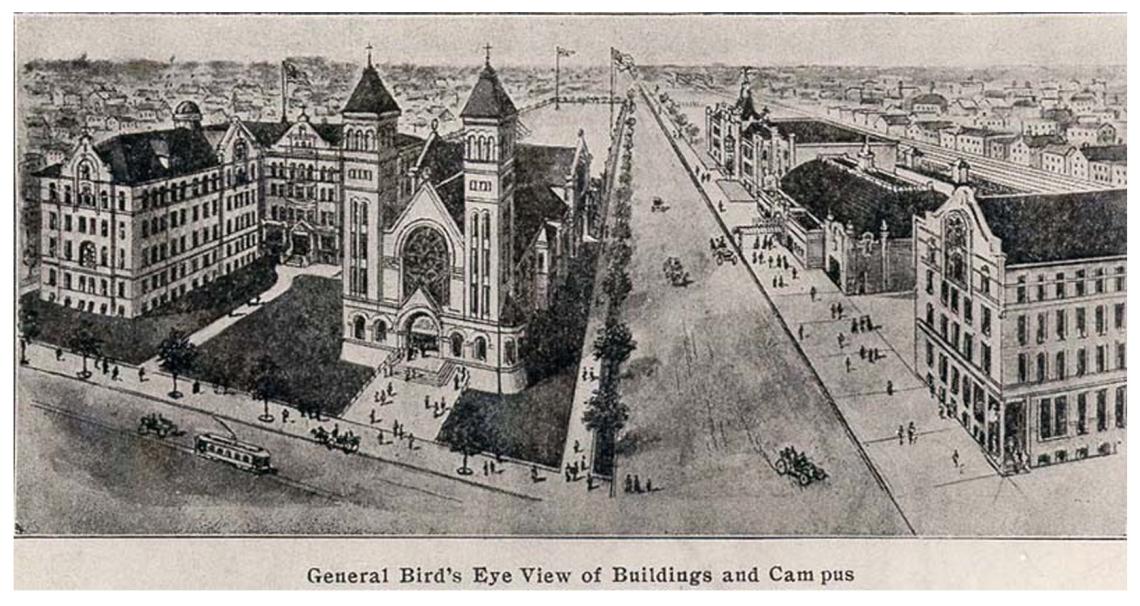 Byrne Hall at 2219 N. KenmoreCCL
As proposed, the significant features of the building to be protected are the east, south, and partial west elevations of the building and its roofline. The north elevation and partial west elevation that are part of the building to the north are specifically excluded from the designation.
With the preliminary landmark recommendation approved by the Commission, the building is preliminarily shielded from demolition or major alteration. The Commission will approve a final landmark recommendation before sending the proposed designation to be approved by the Committee on Zoning and full City Council.