

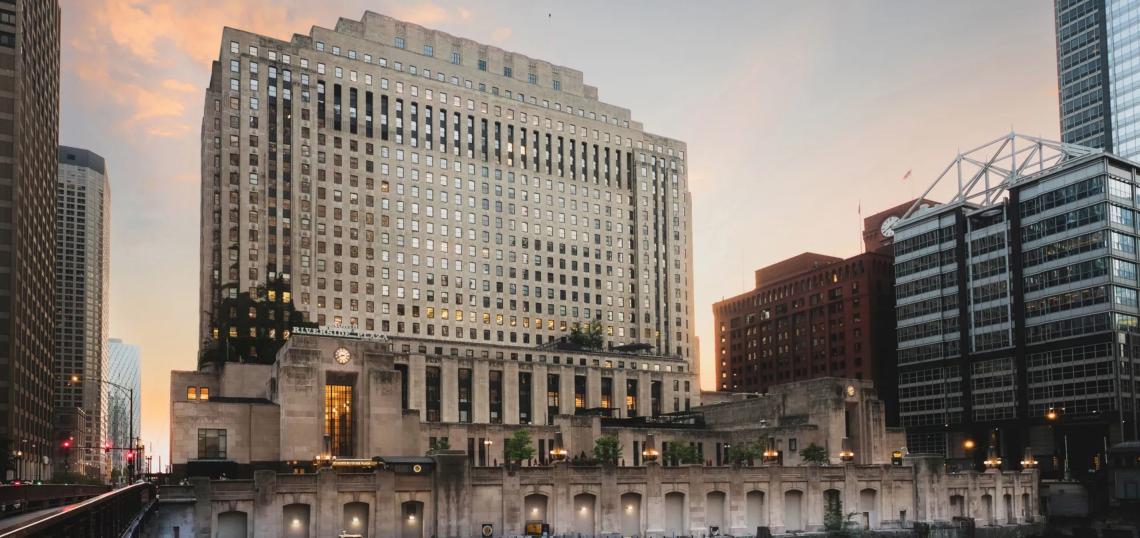
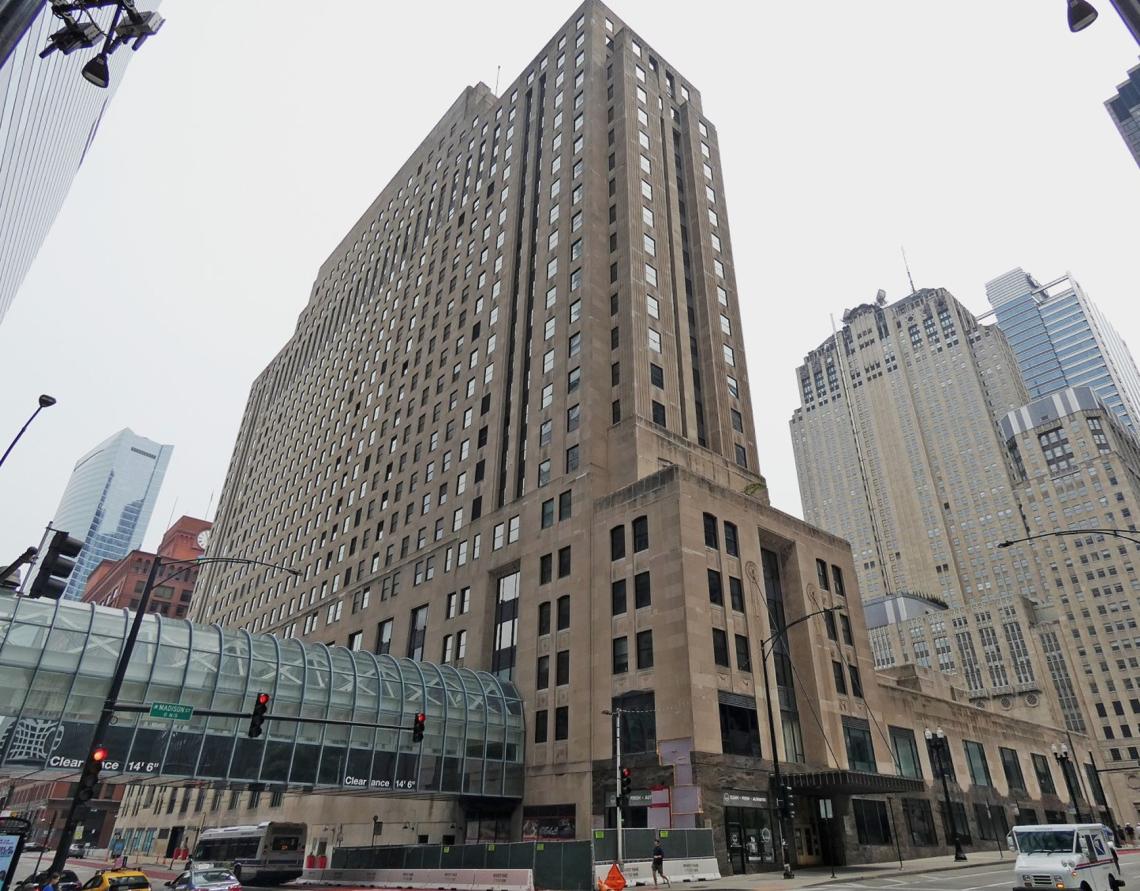
The Commission on Chicago Landmarks has approved a final landmark recommendation for the Chicago Daily News Building. Located at 2 N. Riverside, the 26-story Art Deco-style office building was built in 1929 by Holabird & Root. Now owned by Bluestar Properties, the developer is planning a rehab of the building and its office space inside.
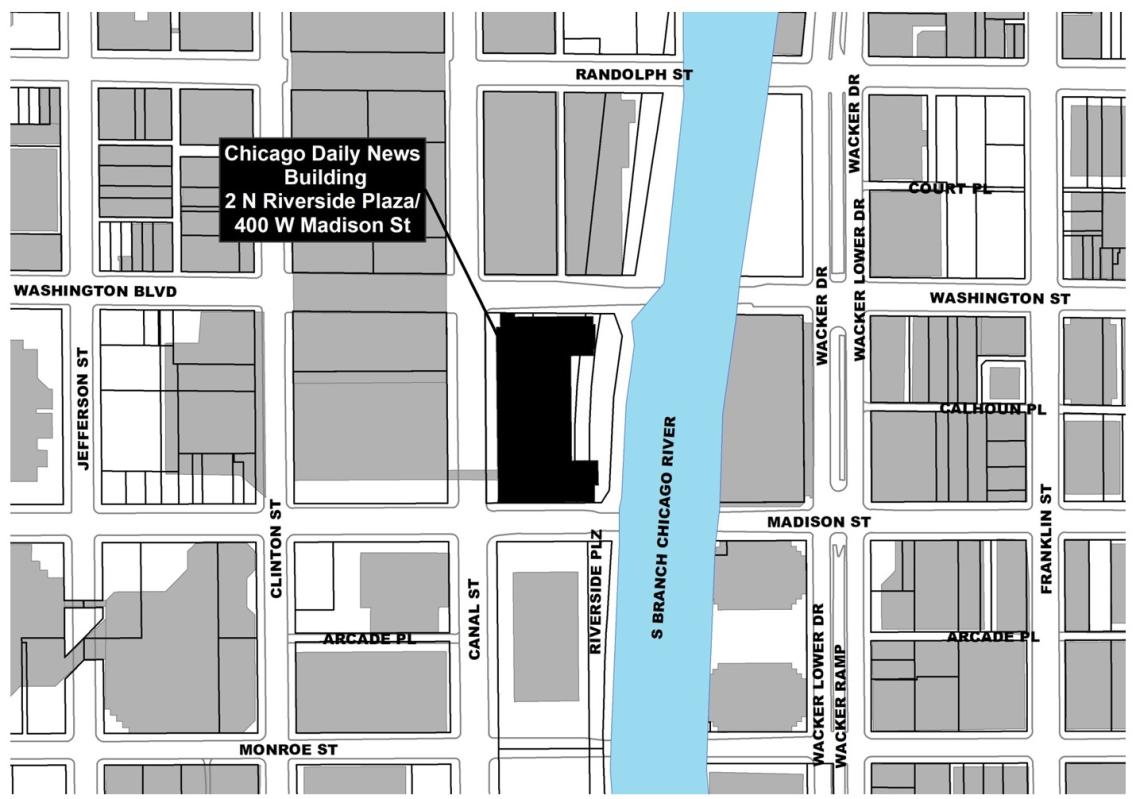 Chicago Daily News BuildingCCL
The commission has identified that the Chicago Daily News building meets Criterion 1 for heritage. Completed in 1929, it served as the headquarters of the Chicago Daily News—one of the nation’s most influential and innovative newspapers—until 1960, known for pioneering mass circulation, high-quality writing, and a groundbreaking foreign news service that shaped journalism nationwide.
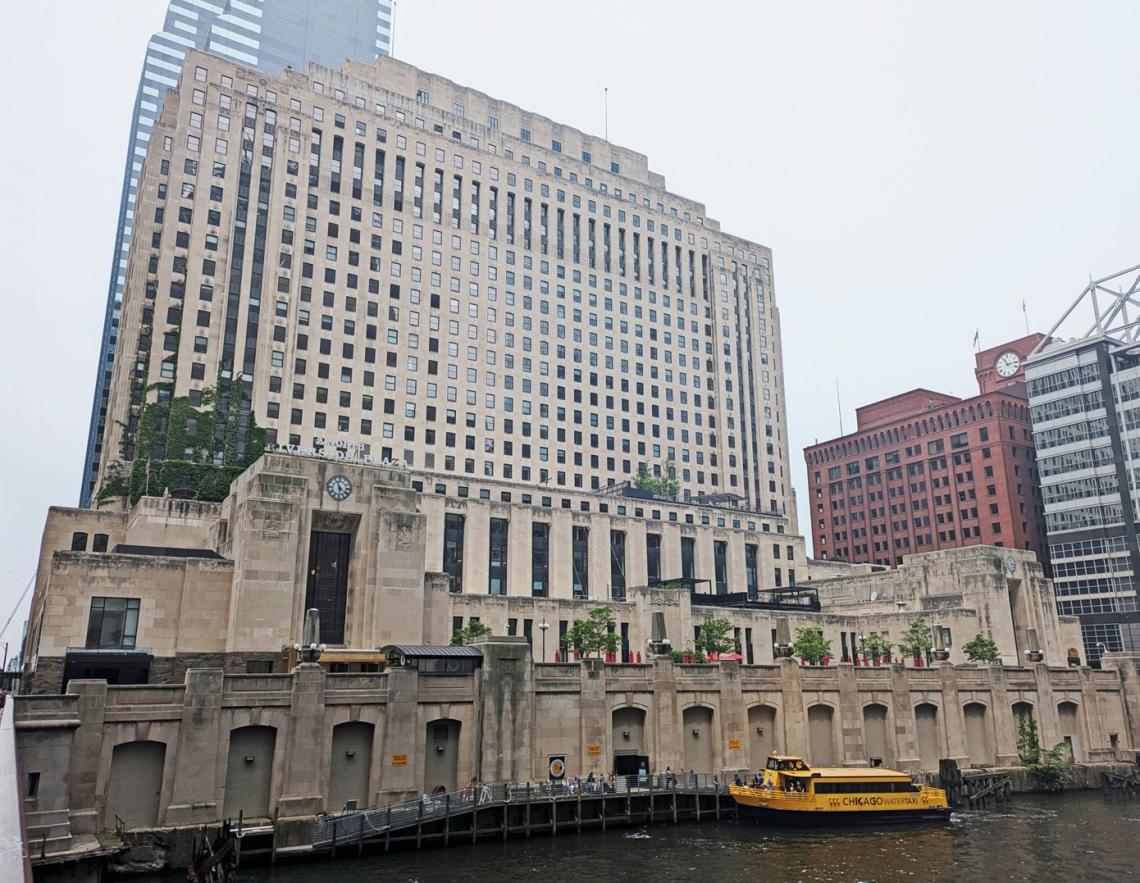 Chicago Daily News BuildingCCL
Architecturally, the building was among the first designed to face the Chicago River, reflecting the vision of the 1909 Plan of Chicago by Daniel Burnham and Edward Bennett. The newspaper itself earned a reputation as a “newspaperman’s newspaper,” employing renowned writers and cartoonists such as Carl Sandburg, Ben Hecht, and Mike Royko, and winning thirteen Pulitzer Prizes between 1925 and 1972, including several historic firsts for Chicago journalism.
 Chicago Daily News BuildingCCL
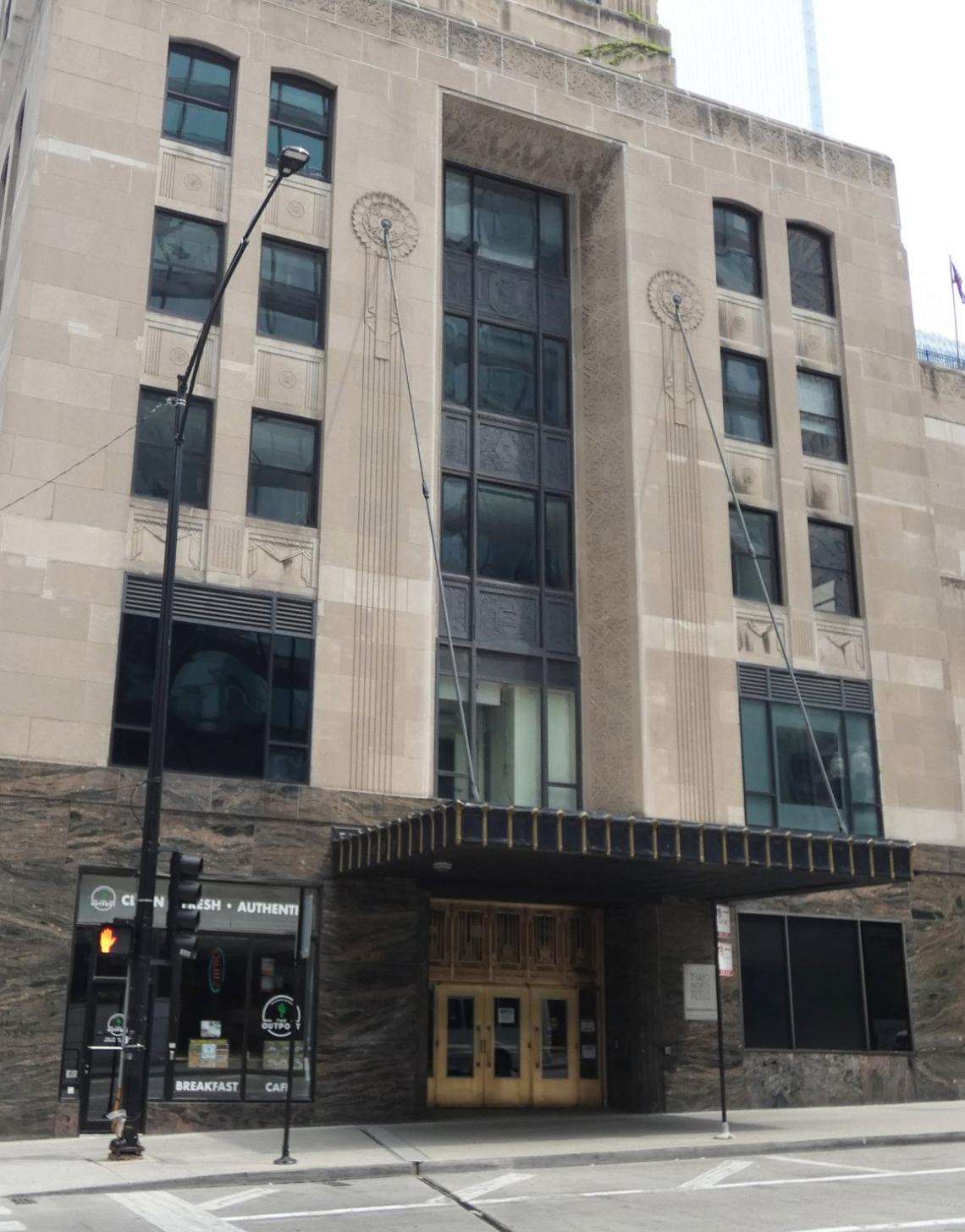
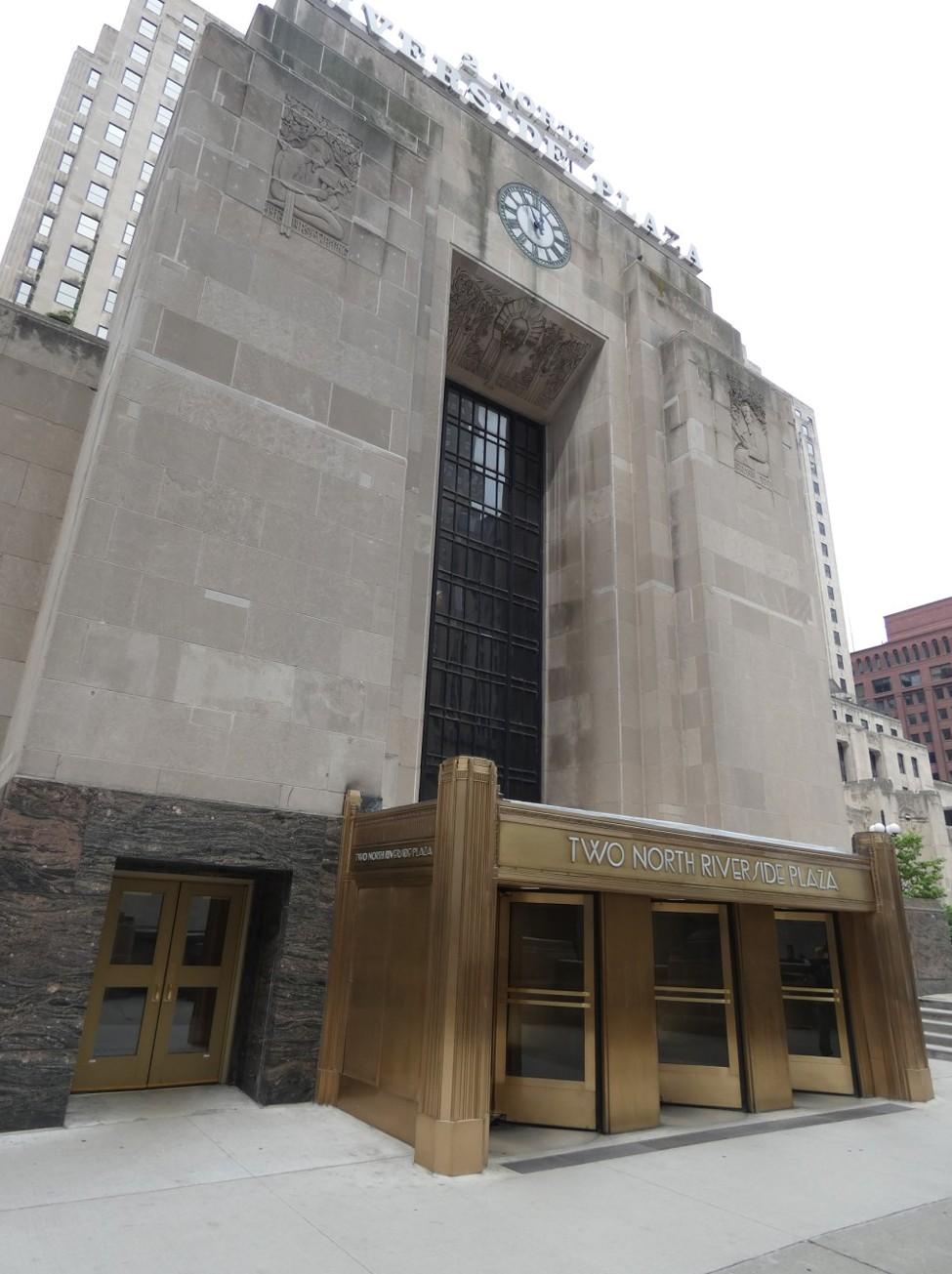
The Chicago Daily News Building also meets Criterion 4 for exemplary architecture as it is an outstanding example of Art Deco architecture, distinguished by its bold geometric massing, setback form shaped by the 1923 zoning ordinance, and refined ornamental detailing. High-quality materials such as limestone, granite, and decorative metalwork highlight its craftsmanship, while bas-relief sculptures by Chicago artist Alvin W. Meyer add symbolic references to the history of journalism.
 Chicago Daily News BuildingCCL
Beyond aesthetics, the building was highly innovative in its engineering, becoming the first major Chicago office tower constructed over active railroad tracks using air rights, with advanced structural and ventilation solutions. It also introduced forward-thinking urban design elements, including a pedestrian concourse connecting to transit and one of the earliest riverfront plazas for a private development in the United States, predating Rockefeller Center. Widely praised since its 1929 completion, the building received major architectural accolades and remains recognized as a landmark of design excellence and innovation.
 Chicago Daily News BuildingCCL
The Chicago Daily News Building also meets Criterion 5 for important architect, as it is a notable work of Holabird & Root, one of the most influential architectural firms in early twentieth-century Chicago and a successor to Holabird & Roche. Led by John A. Holabird and John Wellborn Root Jr., the firm was known for its innovative, setback skyscrapers defined by clean geometry and modern detailing. The building’s design was further shaped by Gilbert Hall, while its Art Deco sculptural ornament was created by Alvin W. Meyer, highlighting the collaboration of leading figures in American architecture and design.
 Chicago Daily News BuildingCCL
The building also meets Criterion 7 as a unique visual feature and landmark along the South Branch of the Chicago River, distinguished by its dramatic setbacks and riverfront plaza. Its prominent presence is further enhanced by its relationship with the neighboring Civic Opera Building, together forming a striking cross-river composition that ranks among the city’s most recognizable architectural groupings, comparable to the iconic ensemble surrounding the Michigan Avenue Bridge.
 Chicago Daily News BuildingCCL
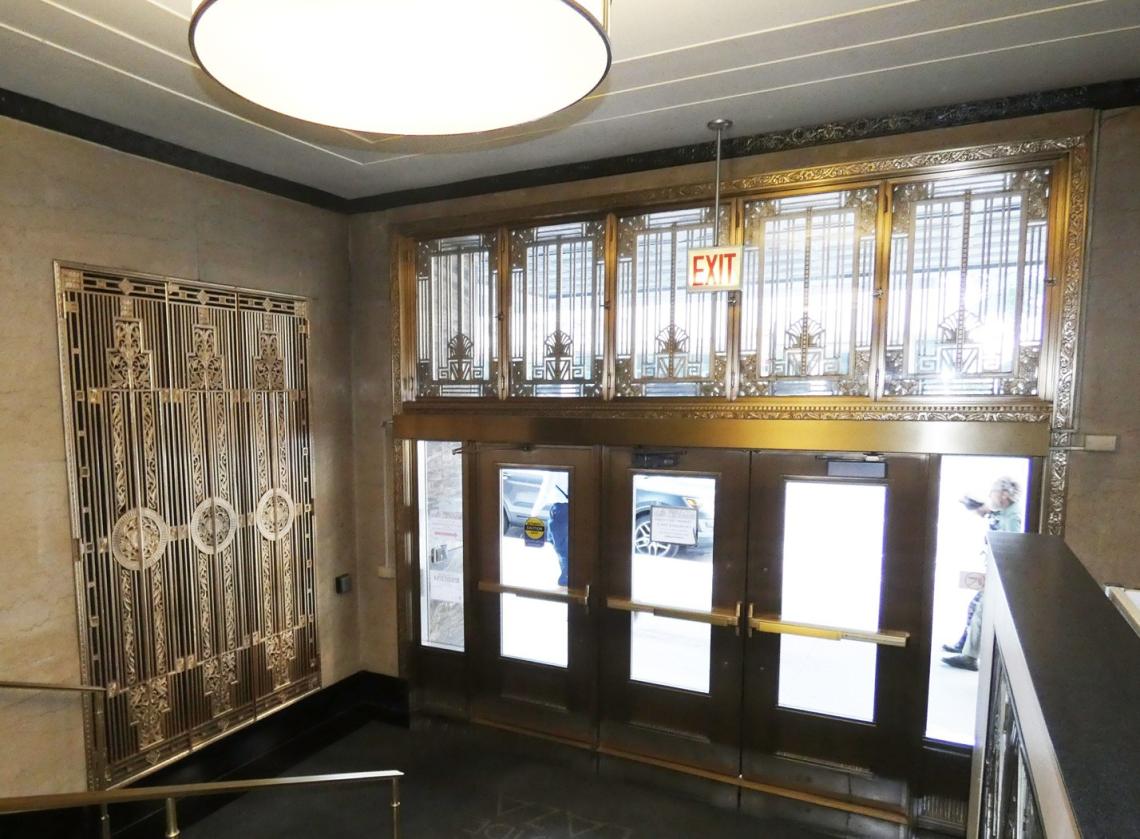
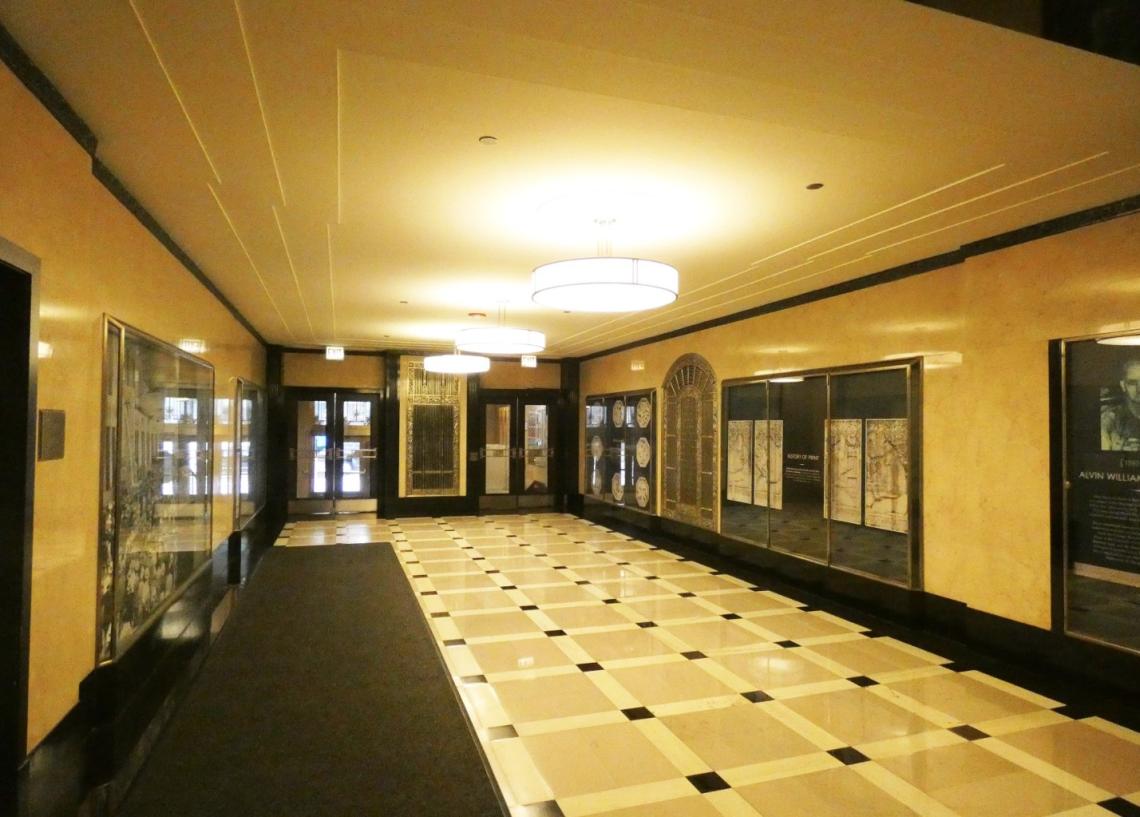
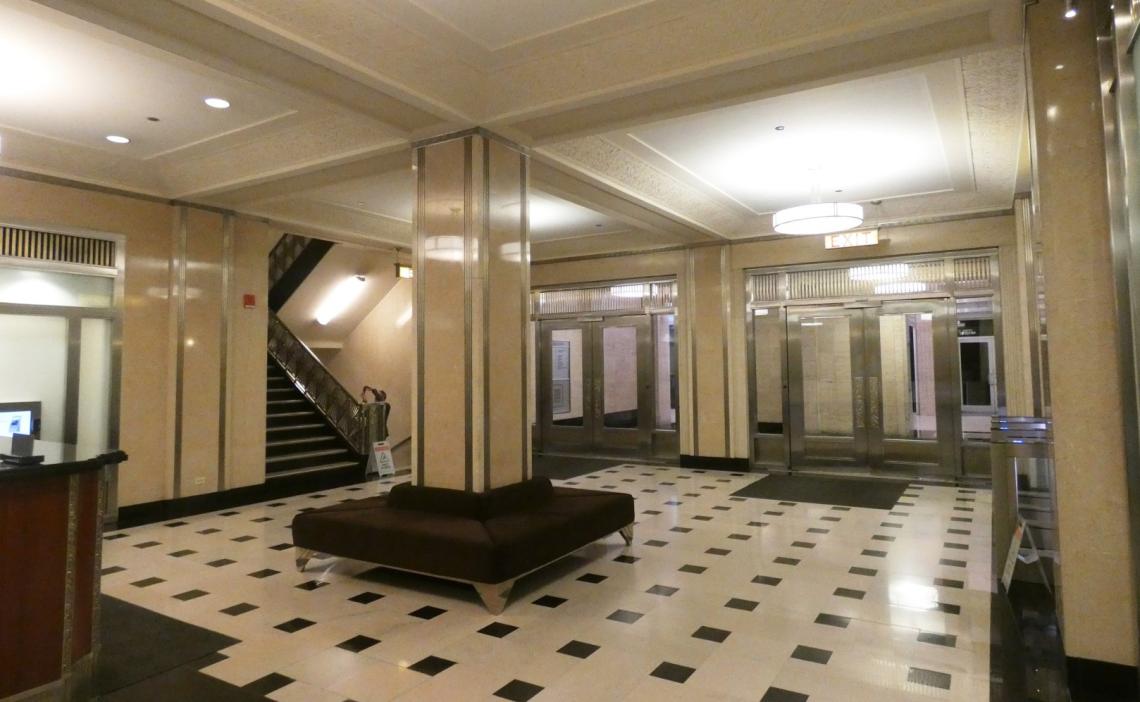
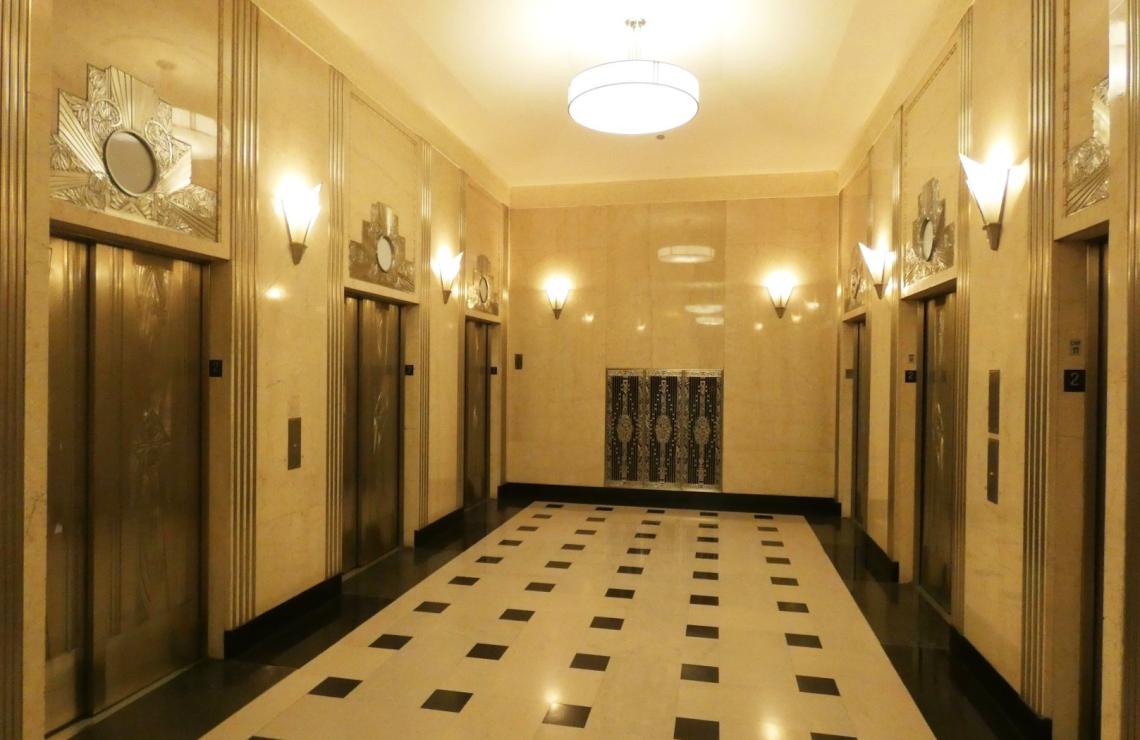
The Chicago Daily News Building also meets the separate Integrity Criterion as it exhibits strong historic integrity, with its limestone exterior, key riverfront features, and much of its original detailing still intact despite some alterations to windows, storefronts, and the plaza. Inside, primary public spaces continue to reflect their original design, preserving significant Art Deco metalwork, marble finishes, and decorative elements. Although updates have been made for modern use, the building clearly maintains its historic character and architectural significance.
 Chicago Daily News BuildingCCL
The Commission staff recommends designating key historic features of the Chicago Daily News Building to be protected, including all exterior elevations and rooflines, the riverfront plaza and its elements, and the river-facing dock arcade. Significant interior spaces include portions of the first- and second-floor lobbies, corridors, stairways, and elevator lobbies, as well as the double-height concourse with its spatial volume, stone finishes, decorative details, and connection to transit. While many original architectural features are preserved, certain modern additions—such as lighting, security elements, and digital screens—are excluded from landmark significance.
 Chicago Daily News BuildingCCL
With the final landmark recommendation from the Commission on Chicago Landmarks approved, the proposed designation will seek final approvals from the Committee on Zoning and full City Council. The developer is planning a rehabilitation of the building that will benefit from a Class L tax incentive recently approved by the Commission on Chicago Landmarks which will also need City Council approval.