

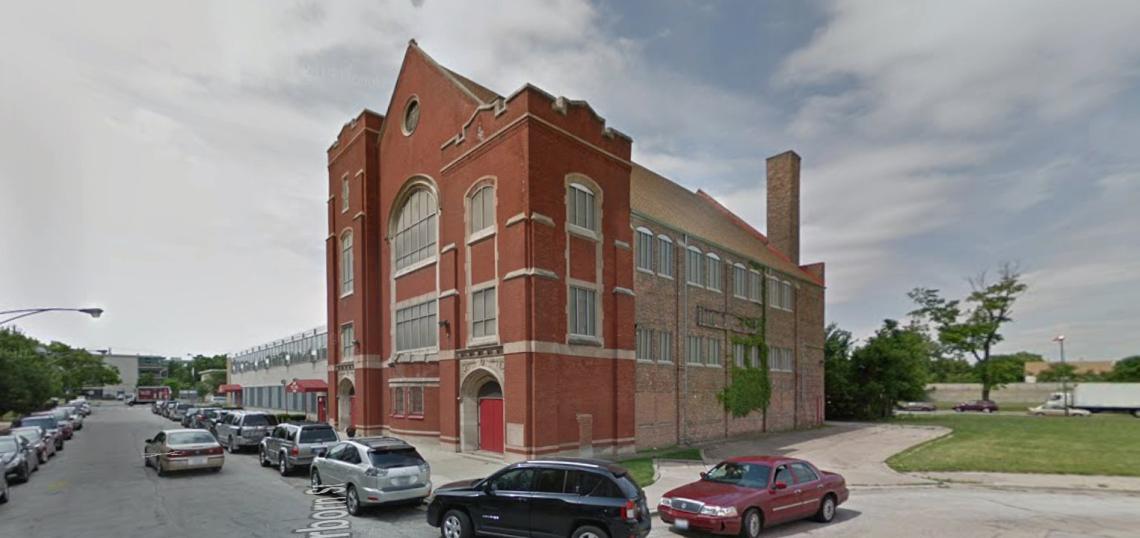
The Commission on Chicago Landmarks has approved the final landmark recommendation for St. Paul Christian Methodist Episcopal (C.M.E) Church at 4644 S. Dearborn. Established in 1907, St. Paul Christian Methodist Episcopal (C.M.E.) Church is the oldest C.M.E. congregation in the city of Chicago. The church is the congregation’s first and only dedicated house of worship. It was constructed in two phases, in 1917 and 1925, in the Tudor Revival style.
 St. Paul Christian Methodist Episcopal ChurchCCL
Meeting Criterion 1 for its heritage, the St. Paul Christian Methodist Episcopal (C.M.E.) Church is significant as the first and oldest congregation of the C.M.E. denomination in the City of Chicago. The denomination was founded by people recently freed from slavery in the southern states, including Bishop Isaac Lane, who co-established the St. Paul congregation in 1907.
The building was constructed in 1917 to host the 1918 General Conference of the C.M.E. Church, which was the first in the history of the C.M.E. denomination to be held north of the Mason-Dixon Line. At the conference, the construction of St. Paul C.M.E. Church represented the spread of the church northward following Reconstruction in the south and the fledging movement of the Great Migration.
 St. Paul Christian Methodist Episcopal ChurchCCL
The St. Paul C.M.E. Church has served as a stable and enduring presence in the Grand Boulevard Community Area and Bronzeville neighborhood for over a century. The congregation has served as an anchor, as the community experienced shifts in demographics, socioeconomics, and the built environment. Through its mission work, the church has extended beyond its boundaries of religious affiliation to become a devoted pillar to the broader community.
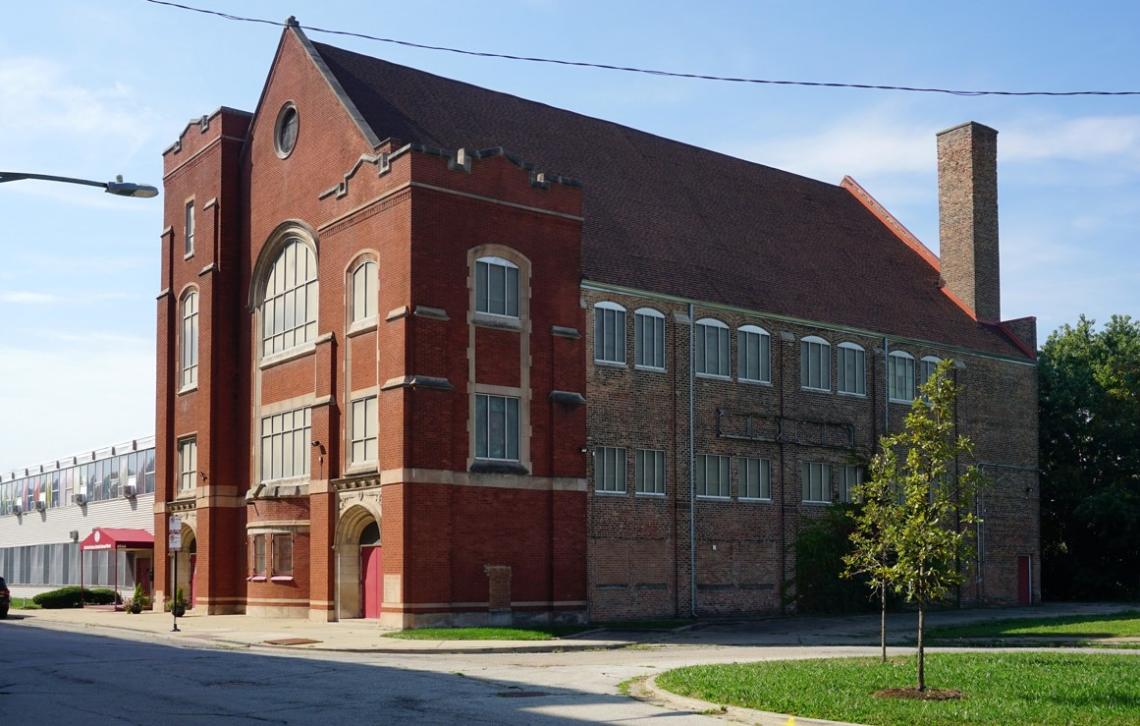
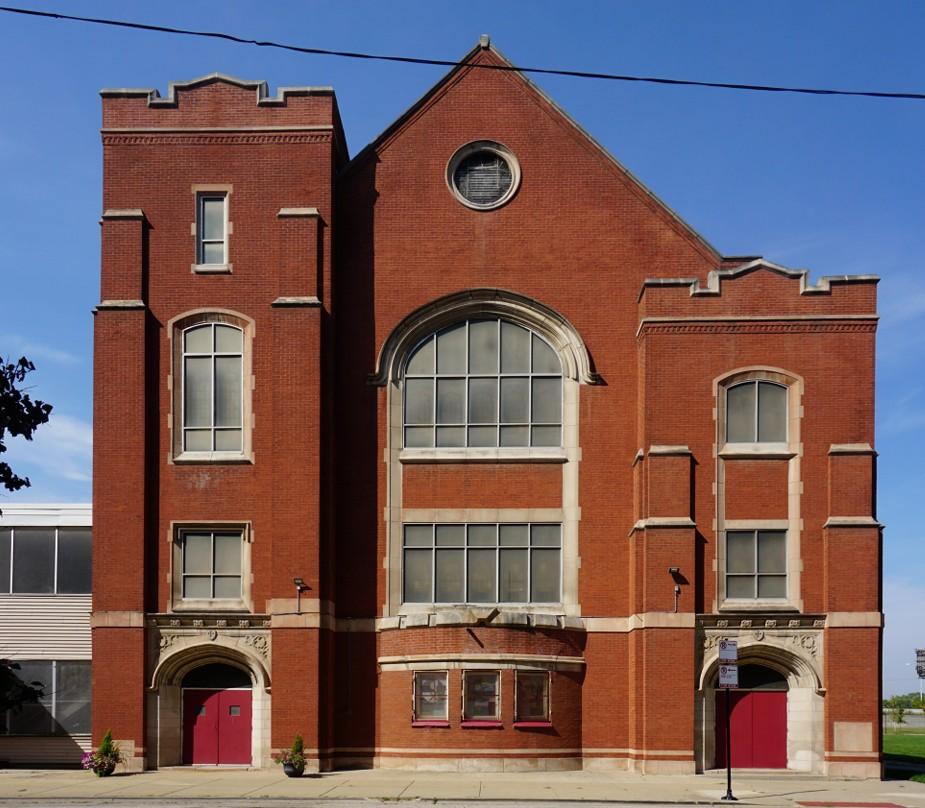
The church also meets Criterion 4 for exemplary architecture, as it is significant as a representation of C.M.E. ecclesiastical architecture in the City of Chicago in the early decades of the 1900s, first prototyped in the design of the headquarters of the C.M.E. church in Jackson, Tennessee. The architecture of the church embodies the character-defining features of the Tudor Revival style through its form, massing, materiality, and ornamentation.
 St. Paul Christian Methodist Episcopal ChurchCCL
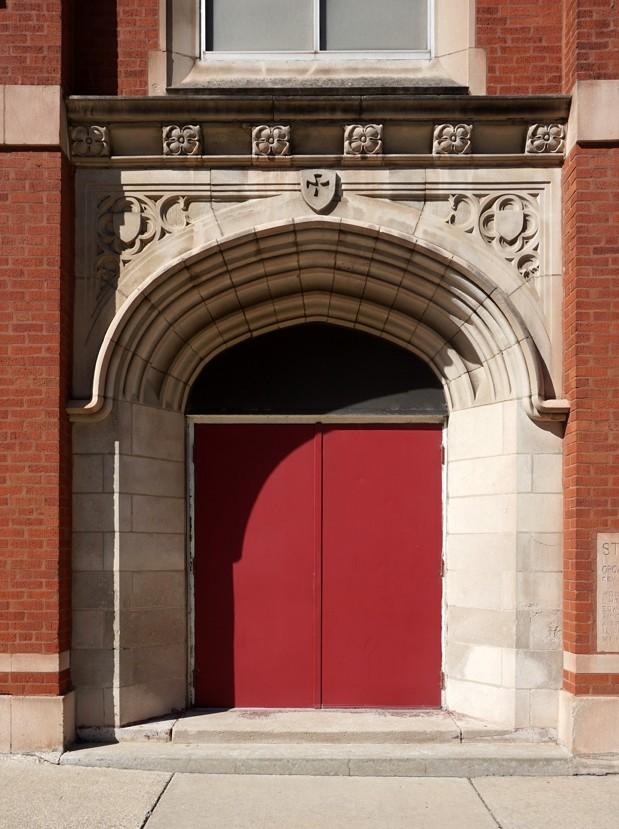
Inspired by Medieval castles, the form and massing create a sense of monumentality through an emphasis on verticality. The monochromatic red brick façade creates a sense of permanence and stability desired by the steadfast congregation. The brick façade is then juxtaposed against the reserved use of intricately carved limestone ornamentation which reflects the embodying the motifs Tudor Revival style.
Also meeting Criterion 5 as the work of a significant architect, the St Paul C.M.E. Church was designed by Ecklund, Fugard & Knapp, an architectural firm that only practiced for three years. In that short time, they designed many notable buildings in the city, including multiple Methodist churches and the development of many apartment buildings in the Streeterville neighborhood.
 St. Paul Christian Methodist Episcopal ChurchCCL
The building represents the early work of prolific Chicago architect John Reed Fugard, Sr. Over a six-decade career, Fugard worked on some of the city’s most recognizable buildings, including the Moody Memorial Church, Trustees System Service Building, and the Jeweler’s Building.
The church also meets the separate Integrity Criterion as it retains its historic location, exterior design, materials, and workmanship. The St. Paul congregation over the last 100 years has served as the stewards of the building and preserved the original design and character-defining features of the church.
 St. Paul Christian Methodist Episcopal ChurchCCL
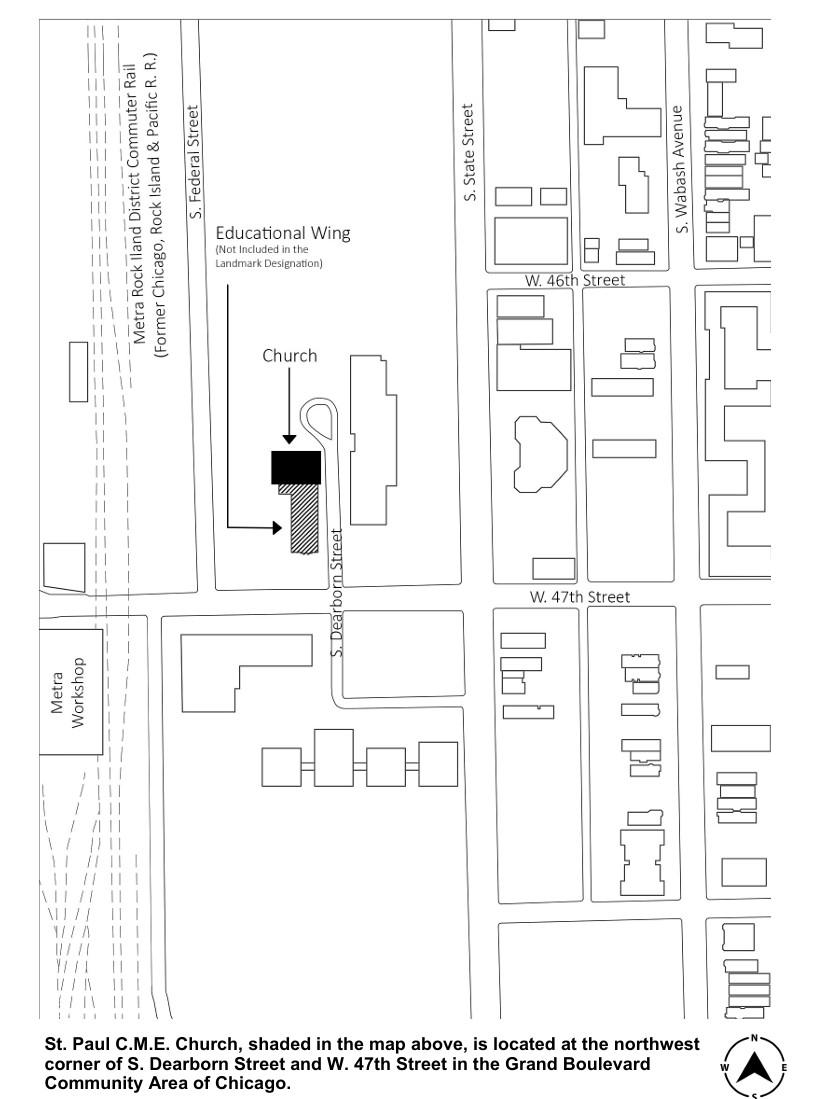
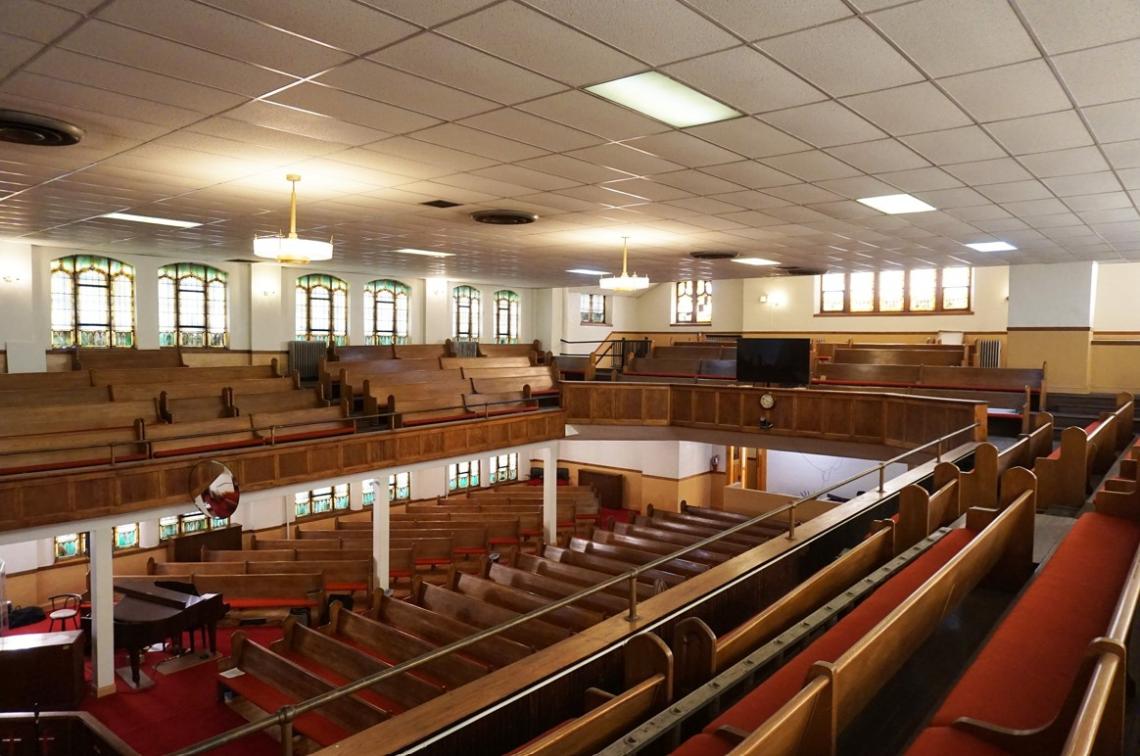
On the exterior, minor alterations have occurred at the first floor of the front façade with the replacement of historic stained-glass windows at the projecting bay. Also, at the exterior, the two-story educational wing has obscured the original south façade. However, the addition was designed in a manner to mitigate impacts to the exterior character-defining features, and thus it was setback from the front façade and the original stained glass windows at the south façade were left in place. Within the interior of the church, minor alterations and improvements were undertaken in 1968 including new interior finishes on the first floor and basement spaces, as well as the installation of acoustical ceiling tiles in the auditorium.
With the final landmark recommendation approved, the proposed designation will head to City Hall to get final approvals from the Committee on Zoning and City Council. If approved, the landmark designation will protect all exterior elevations, including rooflines, of the building. The education wing will be specifically excluded from the designation.