


A full building permit has been issued for the construction of The New Concourse D at O’Hare International Airport, set to be constructed adjacent to the current Terminal 1 Concourse C.
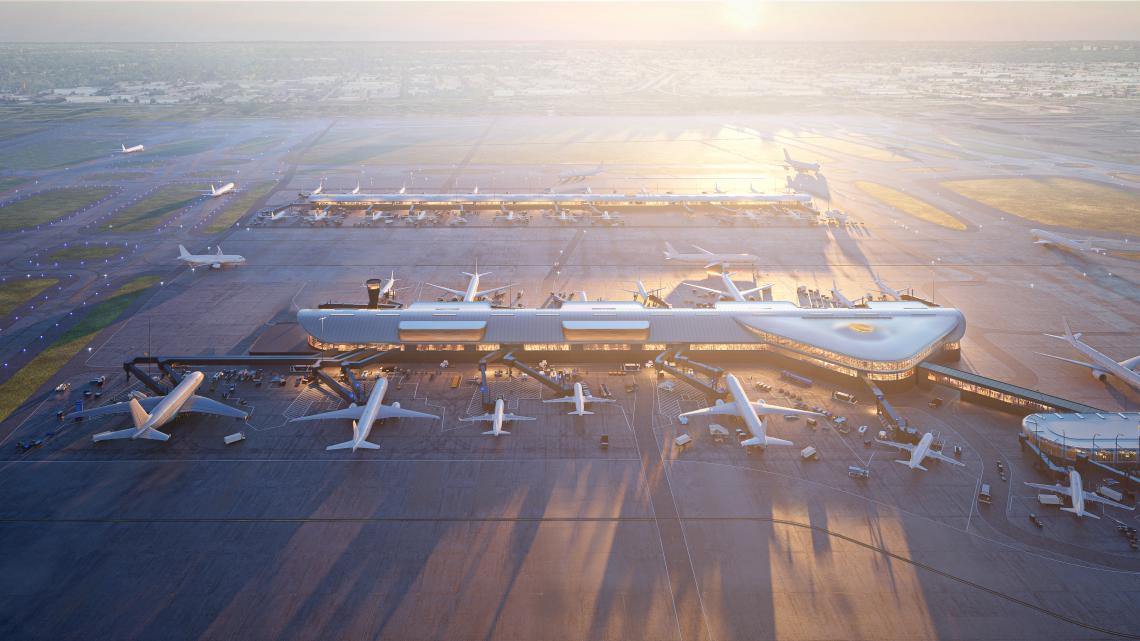 Concourse D and E AerialSOM
Designed by the Chicago-based firm of Skidmore, Owings & Merrill, in collaboration with Ross Barney Architects, Juan Gabrel Moreno Architects, and Arup, The New Concourse D will introduce 19 new flexible gates built to serve today’s modern aircraft. Each position will be capable of accommodating either two narrow-body aircraft or one wide-body aircraft, boosting overall capacity while maximizing gate utilization.
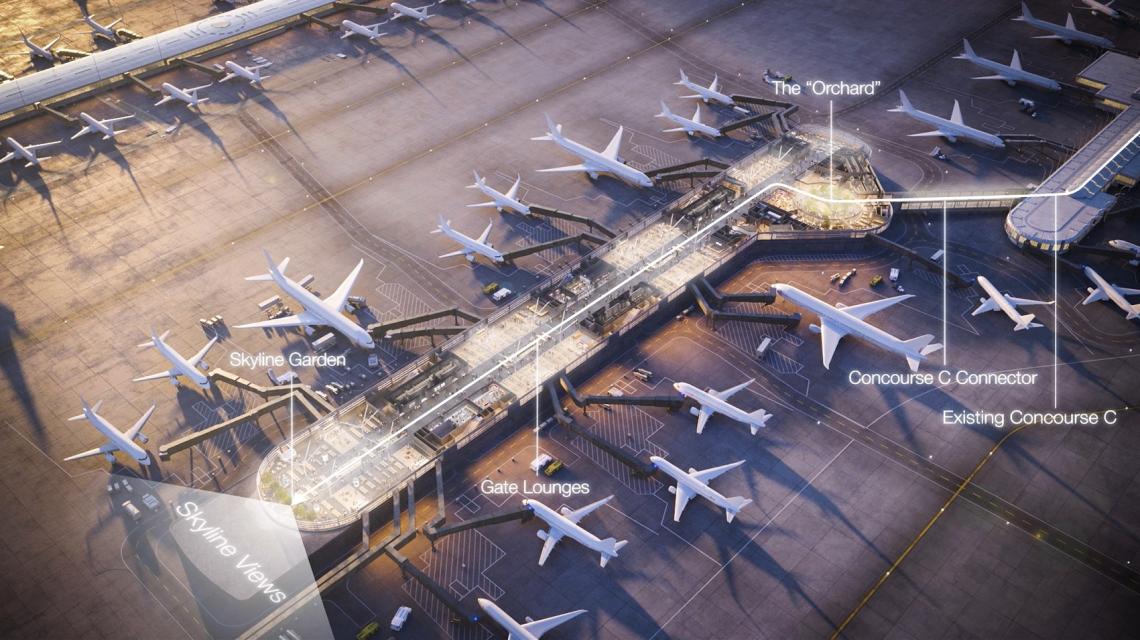 The New Concourse DCity of Chicago
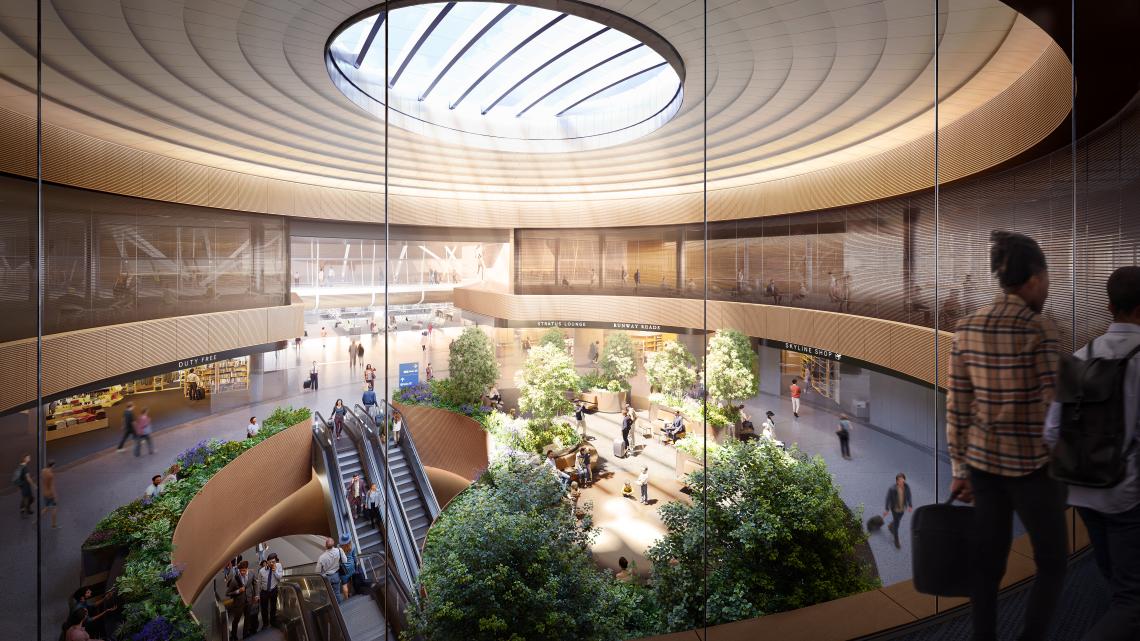 Concourse D - Node Garden OverlookSOM
At the northern end of the 590,000-square-foot Concourse D is a 40-foot-high atrium-like space connecting the building’s three levels, marked by an oculus that directs daylight into the levels below, offering a warm, inviting, and well-landscaped seating area for travelers to enjoy.
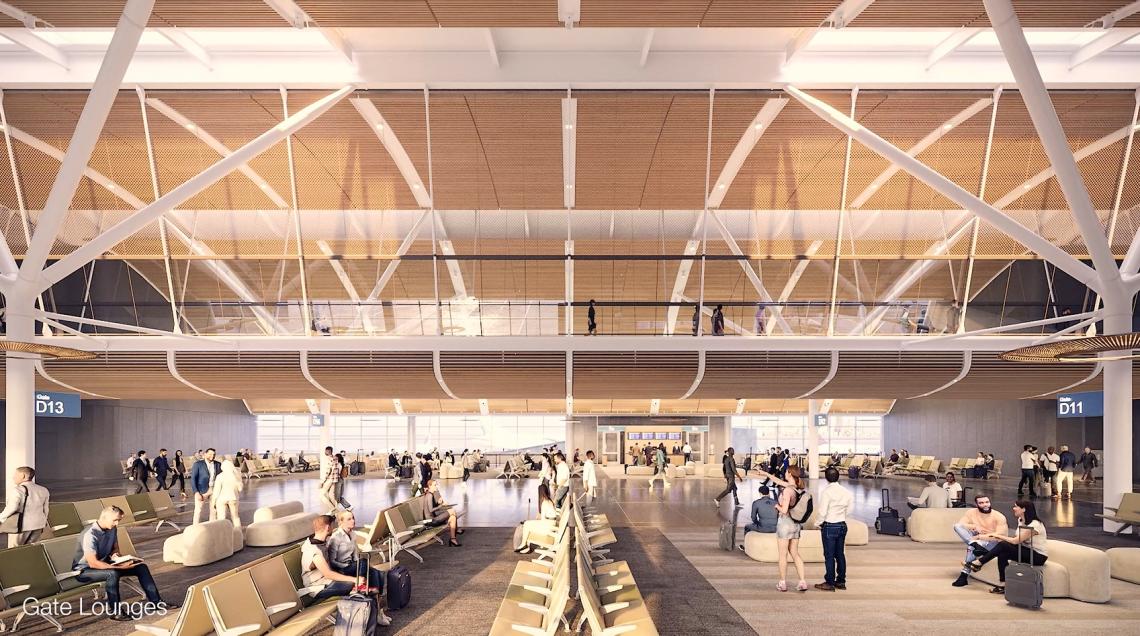 The New Concourse DCity of Chicago
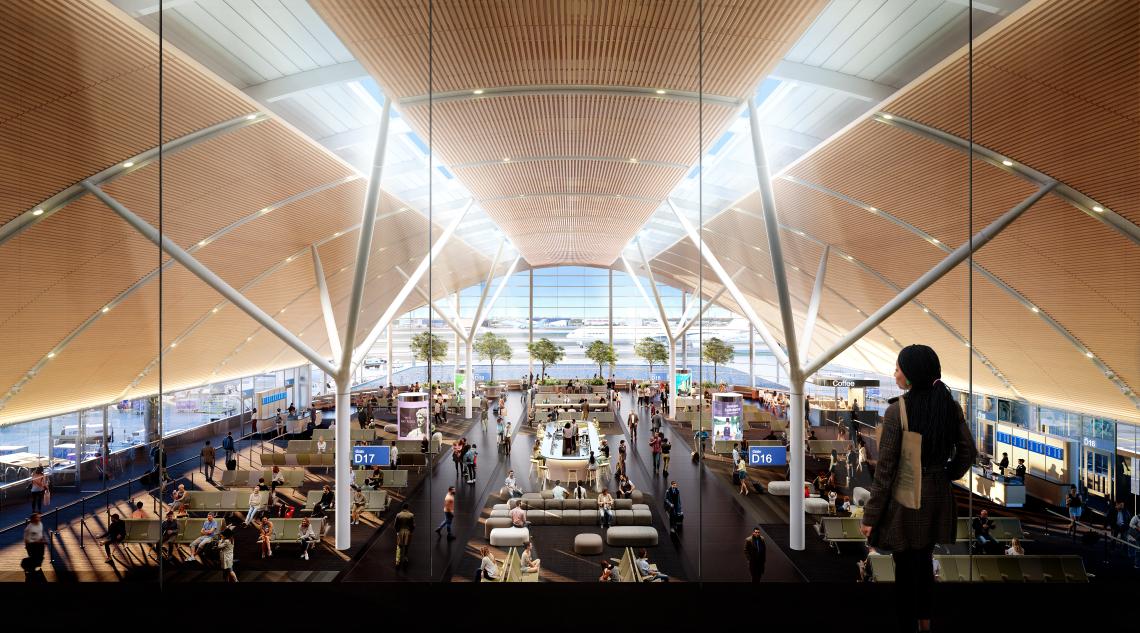 Concourse D - South End OverlookSOM
The building will feature tree-like structural columns, an elegant and functional design element, which also serve as a subtle nod to the apple orchard that once stood on the site where O’Hare now stands. At the south end of the concourse, views will look out towards the downtown Chicago skyline from what has been dubbed the Skyline Garden.
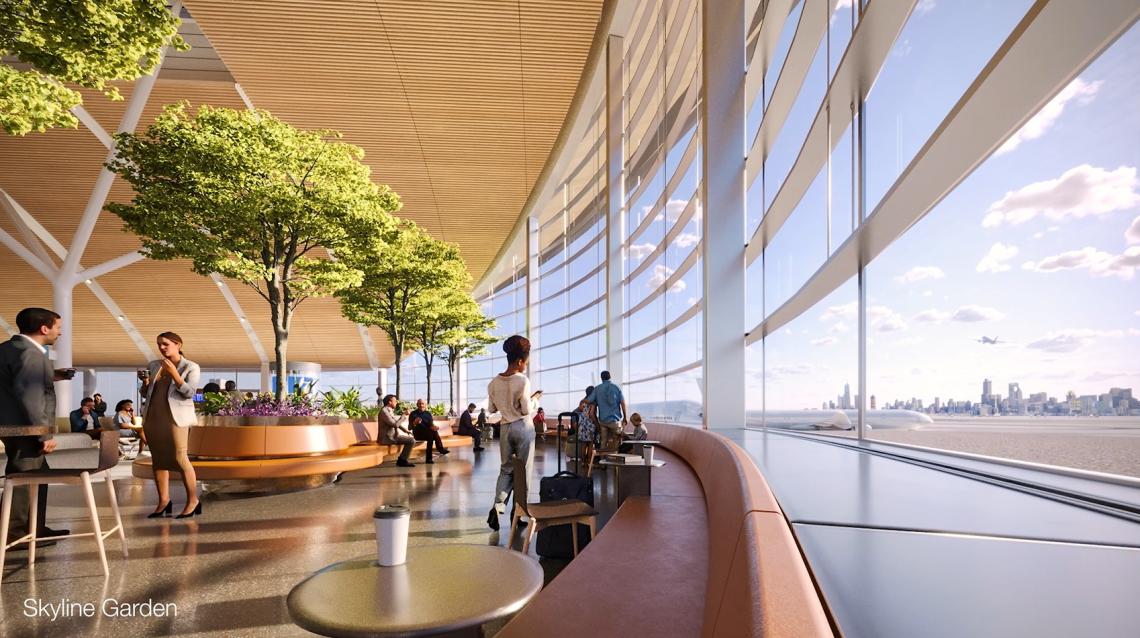 The New Concourse DCity of Chicago
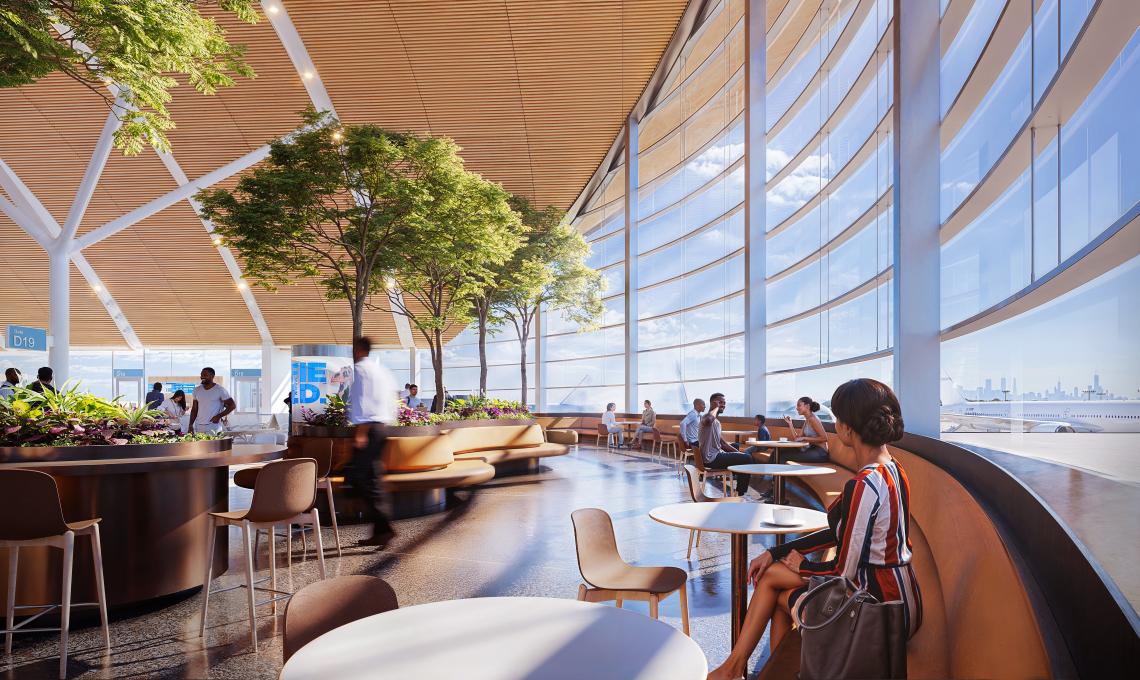 Concourse D - South End Orchard SeatingSOM
The $1.3 billion Concourse D project broke ground in 2025 as the first part of ORDNext, the redevelopment plan that includes The New Concourse D, The New Concourse E, and the O’Hare Global Terminal, all connected by an underground tunnel system. The broader ORDNext program will deliver 14 percent more gate capacity, greater flexibility for hub carriers, and more lounges and amenities, all while improving operational efficiency.
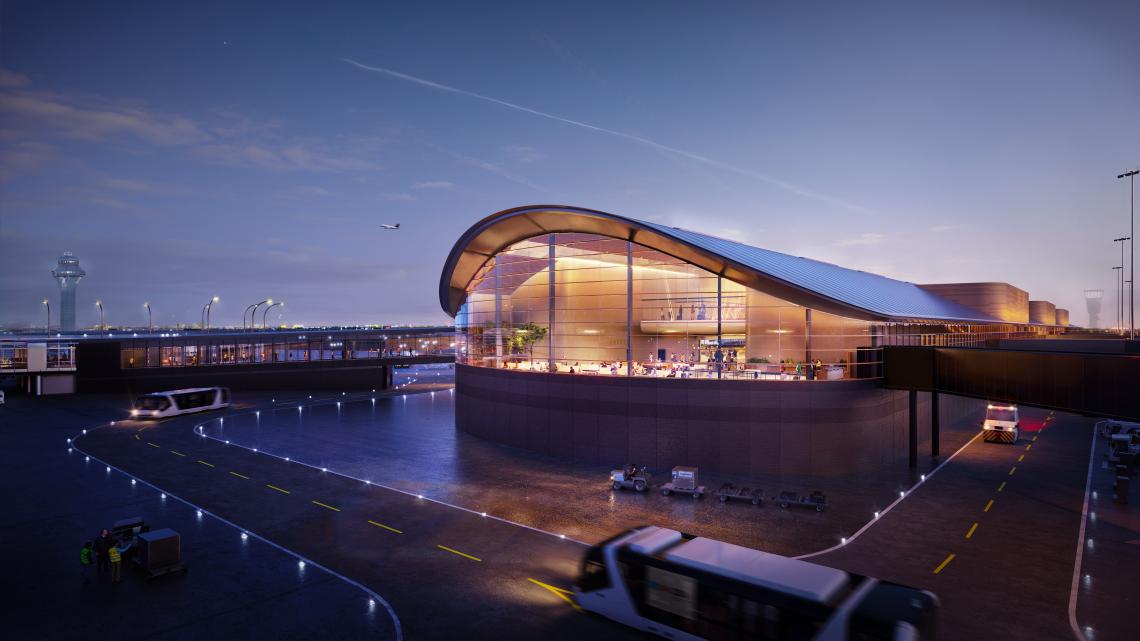 Concourse D - North End Connection to Concourse CSOM
Construction crews at the Concourse D site are working daily, driving caissons, hoisting cranes, and installing structural steel. With the caisson permit, foundation permit, tower crane permit, and now the full building permit all in hand, joint venture general contractor AECOM Hunt Clayco Bowa has all the permits necessary to continue work through completion. The New Concourse D is scheduled for completion in late 2028.
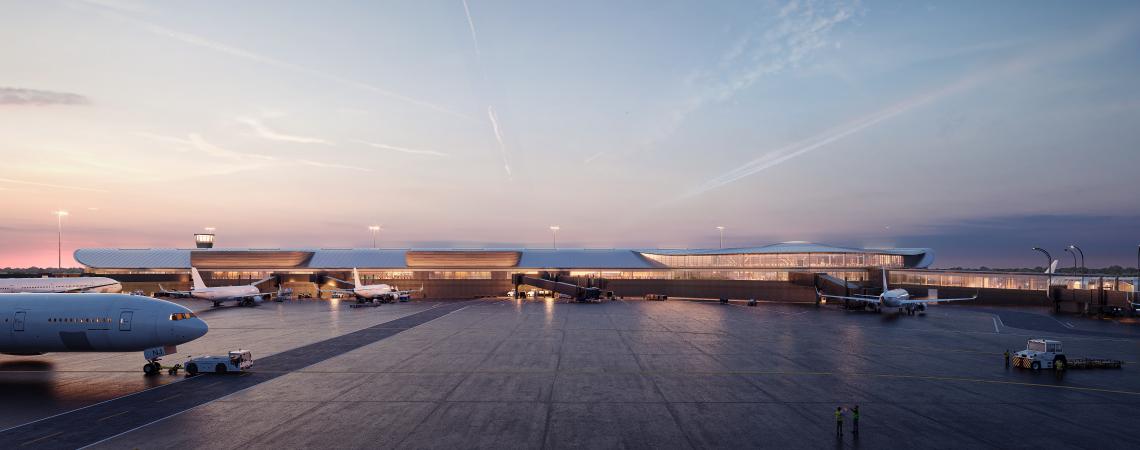 Concourse D East ElevationSOM