




The Commission on Chicago Landmarks has approved a preliminary landmark recommendation and Class L incentive application for 30 N. LaSalle. The 44-story office tower, completed in 1974, was designed by Dallas based architect Thomas E. Stanley II as a speculative commercial office building. Chicago-based developer Golub & Company is leading the redevelopment of the office building.
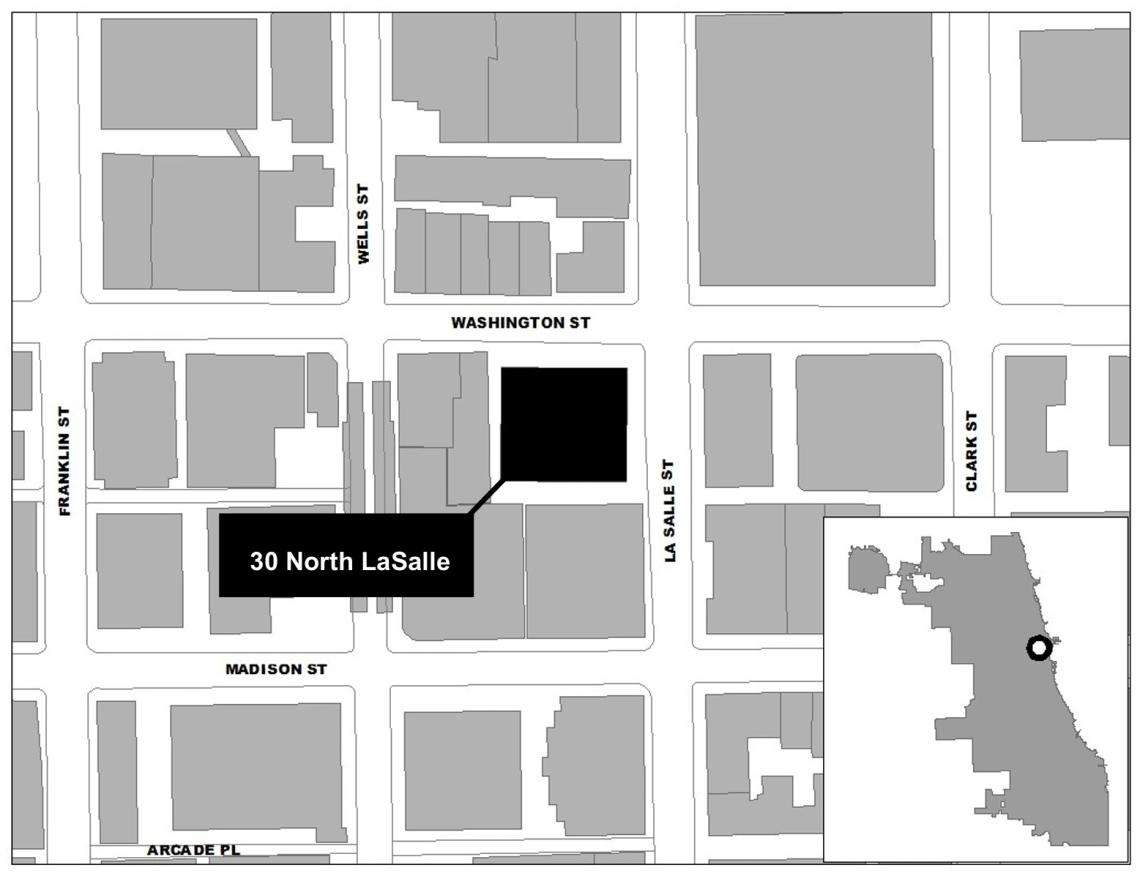 30 N. LaSalleCCL
For its landmark designation, the building has been deemed to meet Criterion 1 for heritage as the building replaced the Chicago Stock Exchange Building which was built in 1894 and considered a significant work of the Chicago architectural firm of Adler and Sullivan. 30 North LaSalle is a visible reminder of the fraught beginnings of the modern historic preservation movement in Chicago, as architects, historians, planners, and advocates struggled to save the city’s late 19th and early 20th century architectural gems from demolition in the building boom following World War II.
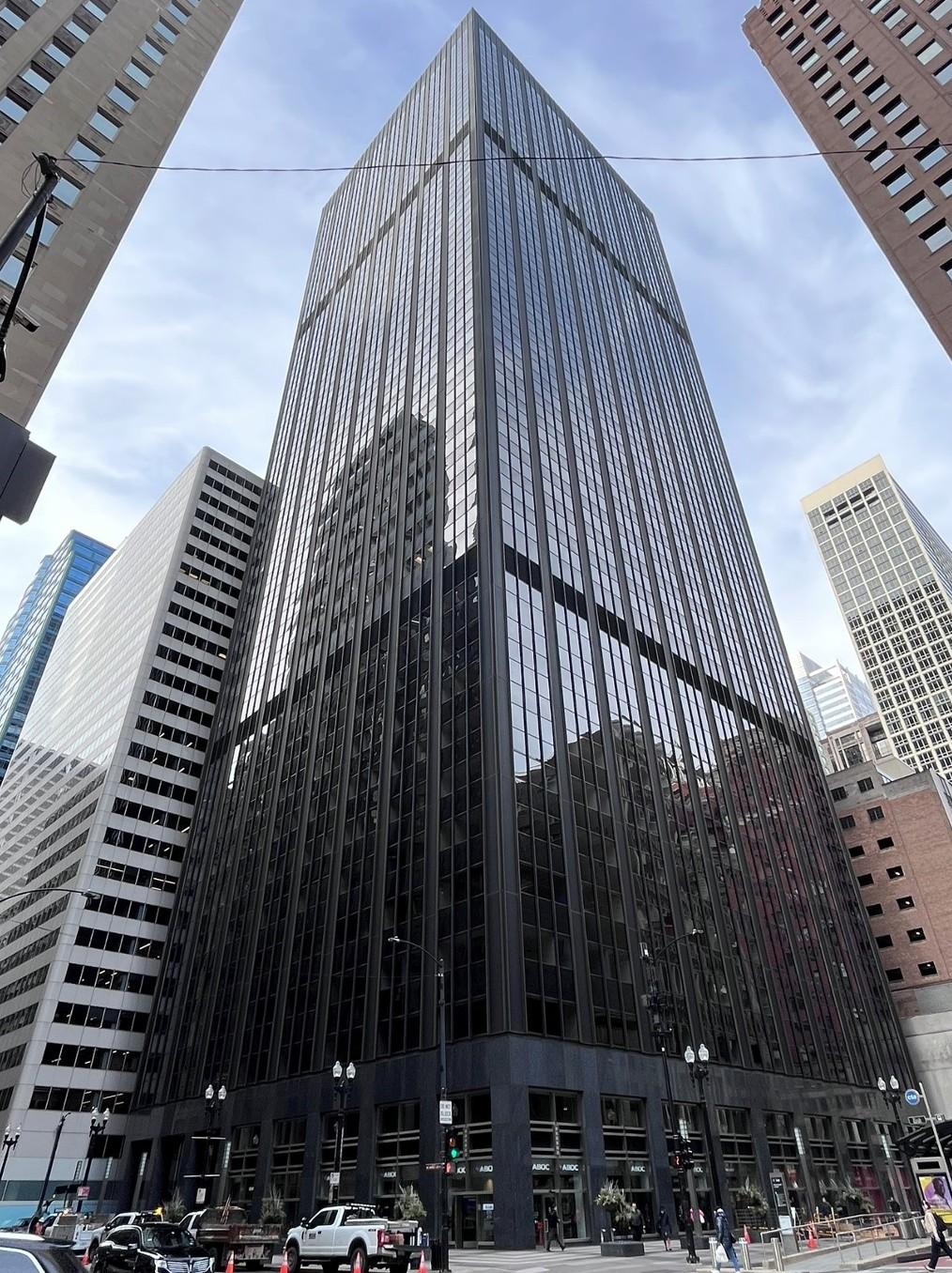 30 N. LaSalleCCL
30 North LaSalle was designed specifically to replace the Stock Exchange, and the plan to demolish the Stock Exchange was not executed until a plan to construct the new building had been formulated. In this way, the construction of Stanley’s building at 30 North LaSalle and the demolition of the Stock Exchange are inextricably linked in representing a significant moment in the development of Chicago’s historic preservation movement.
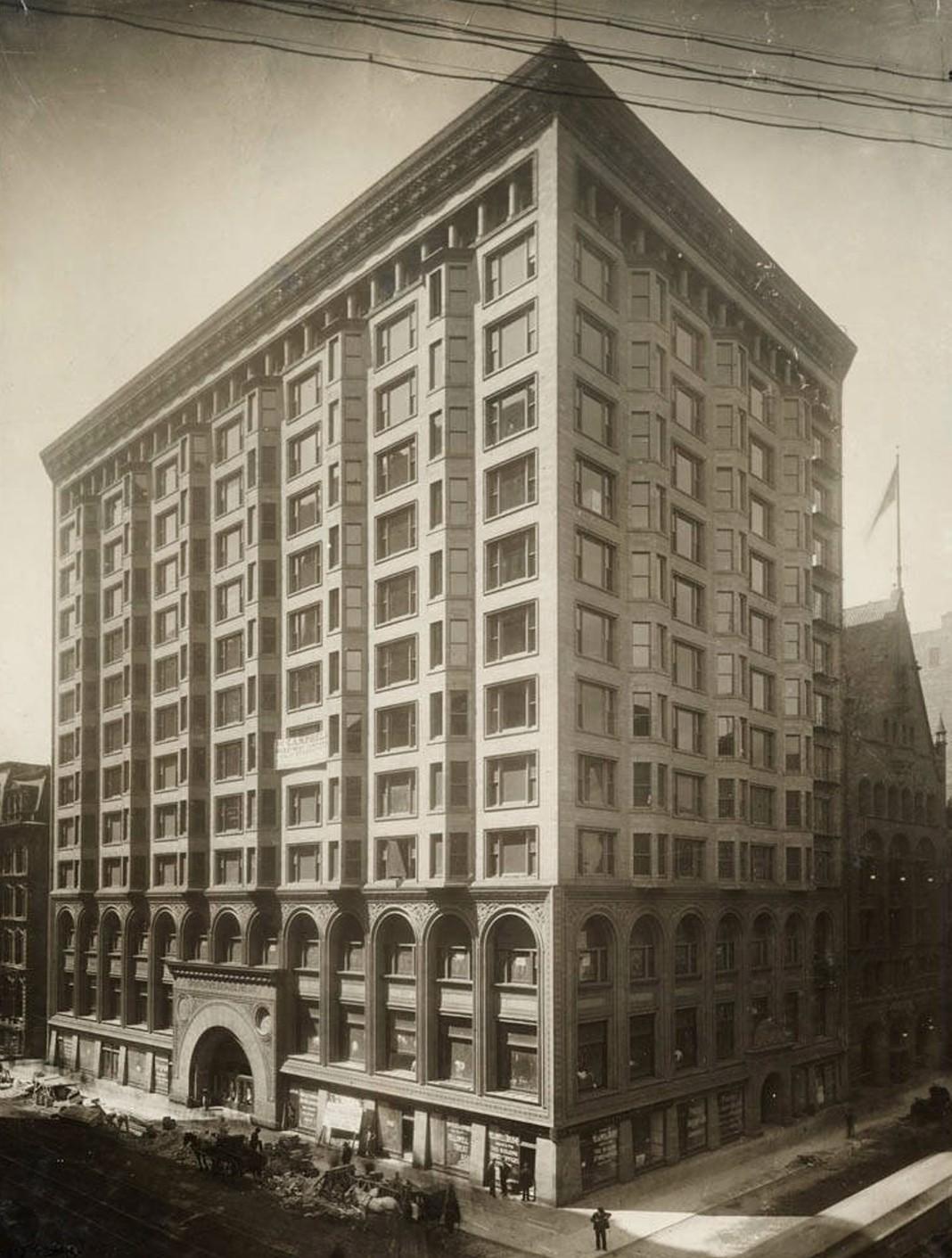 The Chicago Stock Exchange BuildingArt Institute of Chicago
The demolition of the Stock Exchange served as a galvanizing moment for the city’s preservationists, leading to the formation of the Landmarks Preservation Council. The campaign that developed around the demolition of the Stock Exchange raised public awareness of the importance of the city’s historic architecture and ushered in a new era of more sophisticated and effective advocacy that would ultimately preserve many of the city’s most architecturally significant buildings.
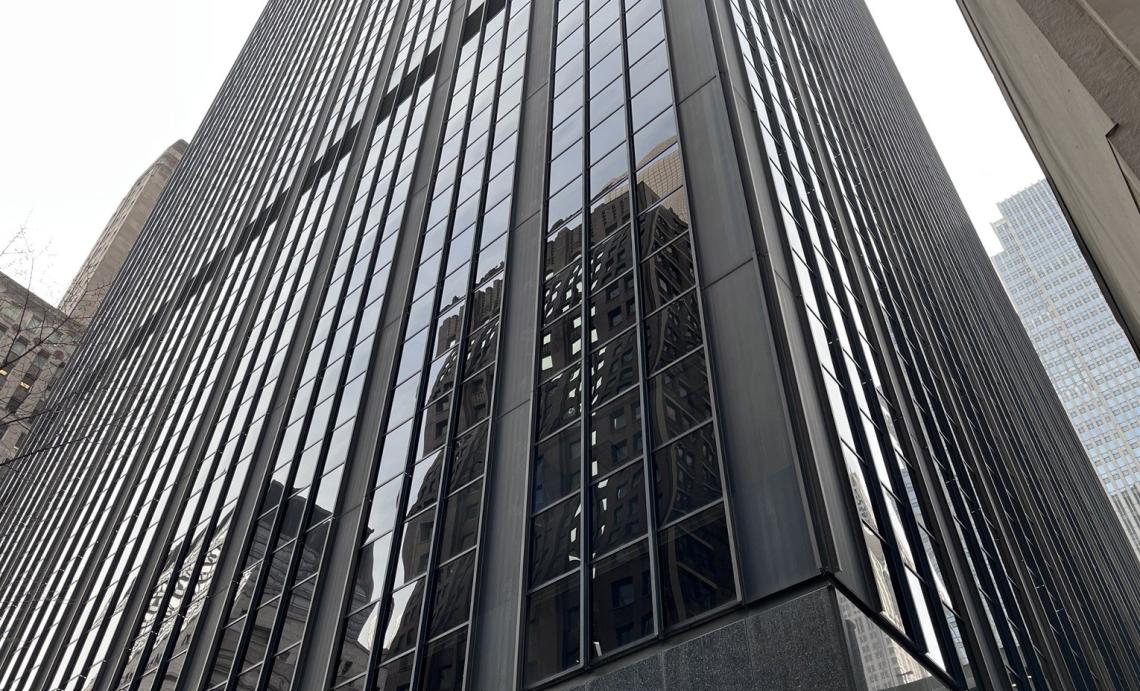 30 N. LaSalleCCL
Meeting Criterion 4 for exemplary architecture, 30 North LaSalle is a rare example of an International Style tall office building that also exhibits elements of New Formalism—a style that was rarely used by post-war architects in Chicago. Stanley’s design for 30 North LaSalle was a subtle shift away from the strict interpretation of International Style modernism popularized by Mies van der Rohe in the 1950s and 1960s. The building exhibits the rectilinear form, expressed steel construction, and lack of applied ornament typical of International Style buildings, while the strong verticality of the building’s exterior columns and the sleek granite cladding at the first and second floors are stylized classical elements utilized in New Formalist design.
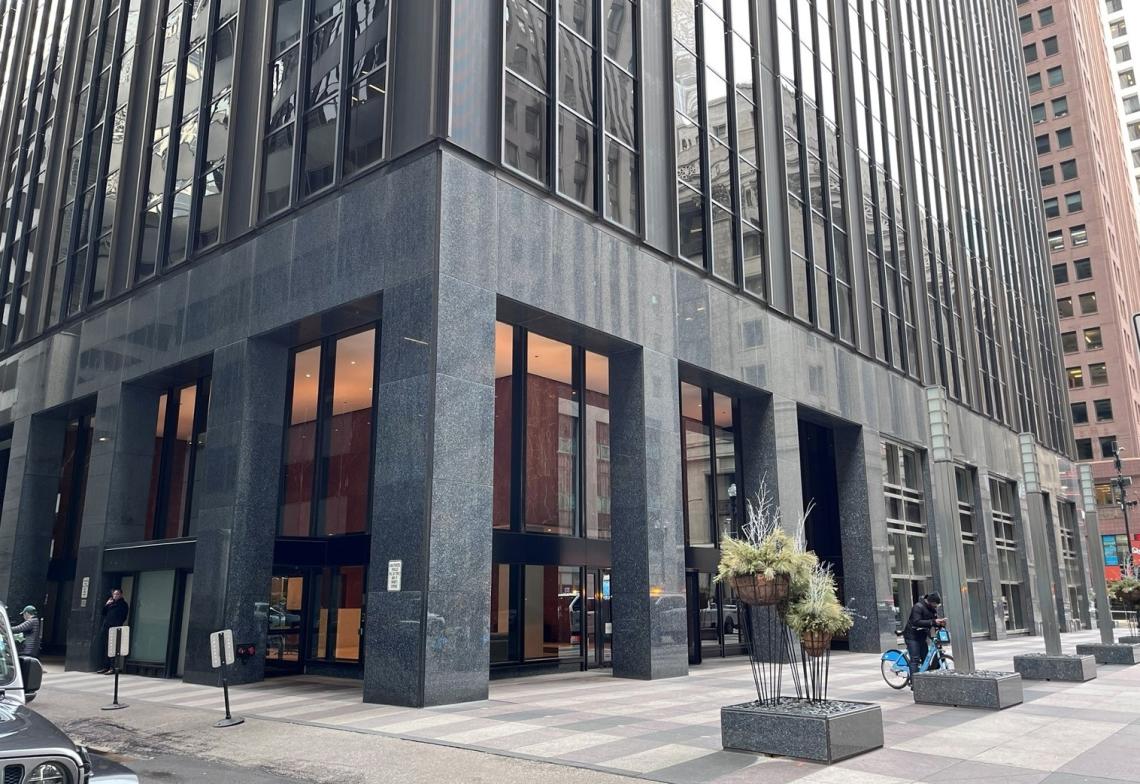 30 N. LaSalleCCL
When it was completed in 1974, the building at 30 N. LaSalle was among the first International Style high rises to be constructed along LaSalle Street. While new buildings had proliferated in other areas of the city’s commercial downtown in the decades immediately following World War II, LaSalle Street remained untouched by new development until the 1970s.
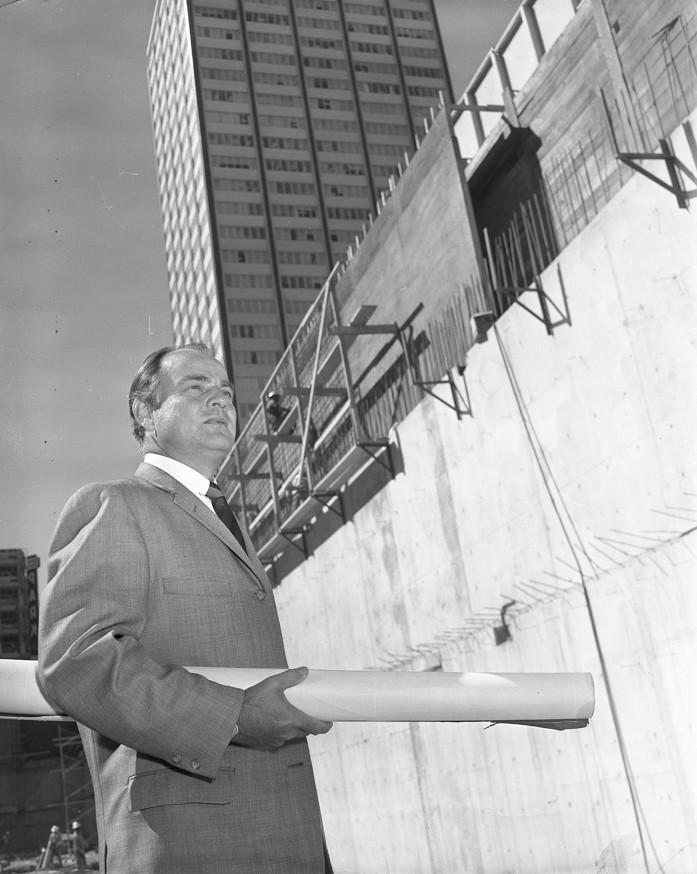 Thomas E. Stanley IISquire Haskins Photo Collection
The building also meets Criterion 5 for important architect as it is the only building in Chicago designed by Thomas E. Stanley II, a prolific Dallas-based architect who was best known for his modernist corporate office towers. At the height of his career in the 1960s and early 1970s, Stanley was licensed to practice architecture in 28 states, and his firm designed significant buildings in the Modernist and New Formalist styles in states across the country.
The building at 30 North LaSalle also meets the Integrity Criterion as it retains good exterior integrity. Its overall historic massing, expressed steel framing, and rectilinear glass curtain walls are intact. Though the original recessed glass walls were largely replaced in the 1980s with modern storefronts set within the ground level openings, the two-story stone base remains intact and the building as it stands today reflects its original architectural character.
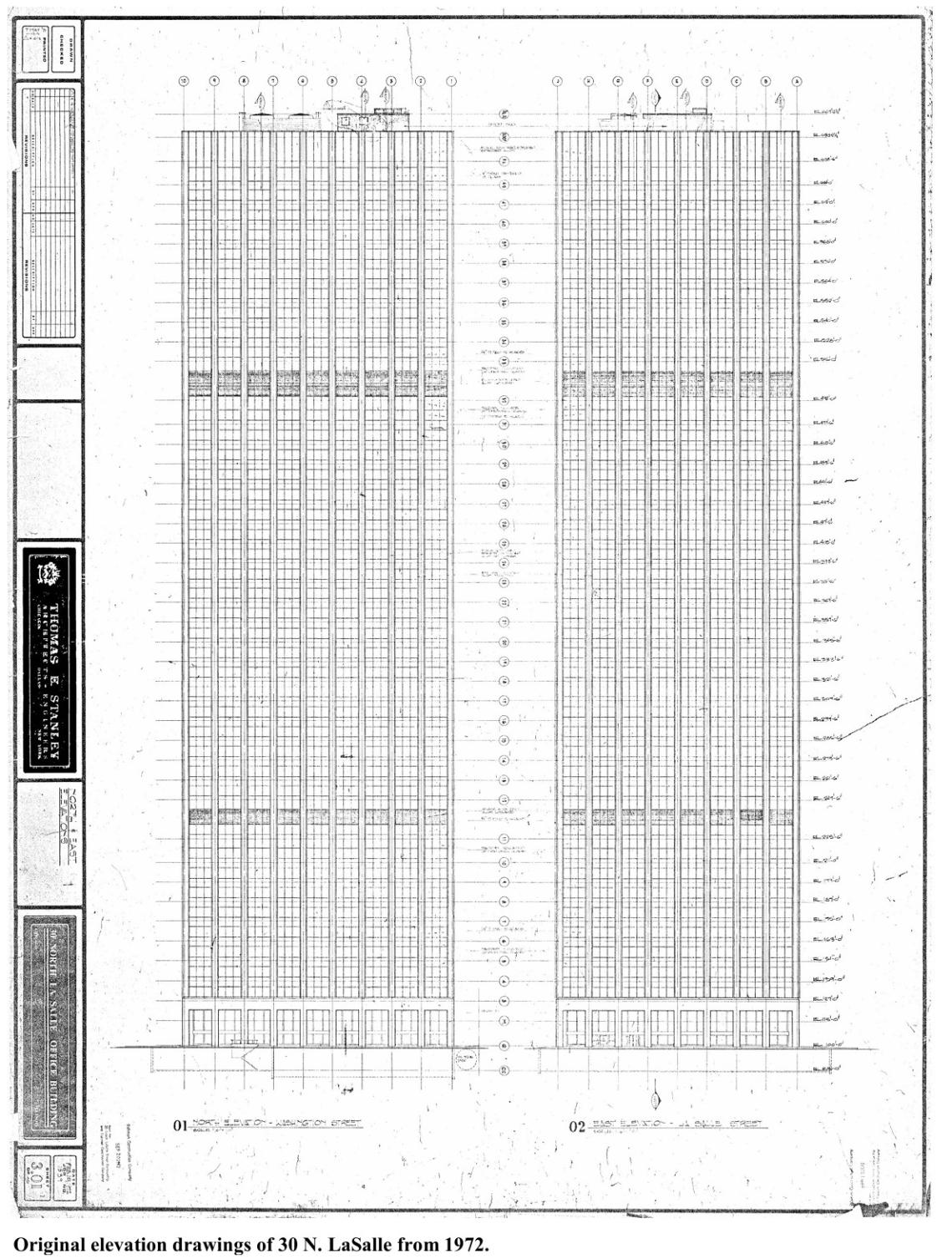 30 N. LaSalleCCL
The proposed designation would identify the building’s significant features as all exterior elevations, including rooflines, of the building. With preliminary landmark recommendation approved, the proposed designation can seek final recommendation from the Commission on Chicago Landmarks before securing final approval from the Committee on Zoning and City Council.
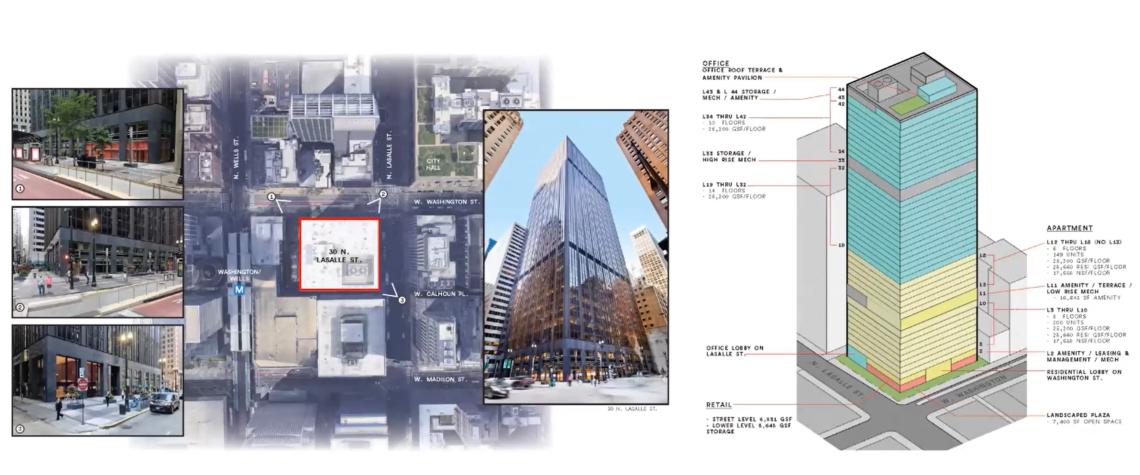 30 N. LaSalleSCB
As Golub & Company plans the redevelopment of the building into 349 apartments on floors two through eighteen with office space on the upper floors, the Class L tax incentive will be used to help fund the redevelopment of only the office portion of the project.
 30 N. LaSalleSCB
Designed by SCB, the proposed project will include a full reglazing of the exterior as well as the replacement of the existing ground floor storefronts with ones referencing the original inset glazing that included an arcade. The top two floors of the building do not currently have windows, but glazing will be added with a design matching the facade of the rest of the building. A partial rooftop addition with amenity space will be added.
 30 N. LaSalleSCB
The $132.4 million redevelopment of the commercial floors will be funded in part by the Class L tax incentive, which will reduce property taxes on the building for a duration of 12 years. As calculated, this tax abatement will give the developer $47.2 million in tax relief over the 12-year period. With approval secured from the Commission on Chicago Landmarks, the Class L incentive now needs final approval from the City Council.