



The Chicago City Council has approved the landmark designation of the Central YMCA Headquarters building at 19 S. LaSalle. Originally built in 1893 and designed by William Le Baron Jenney, local developer Envoi Partners acquired the building in October 2024 and will convert the building into apartments and retail.
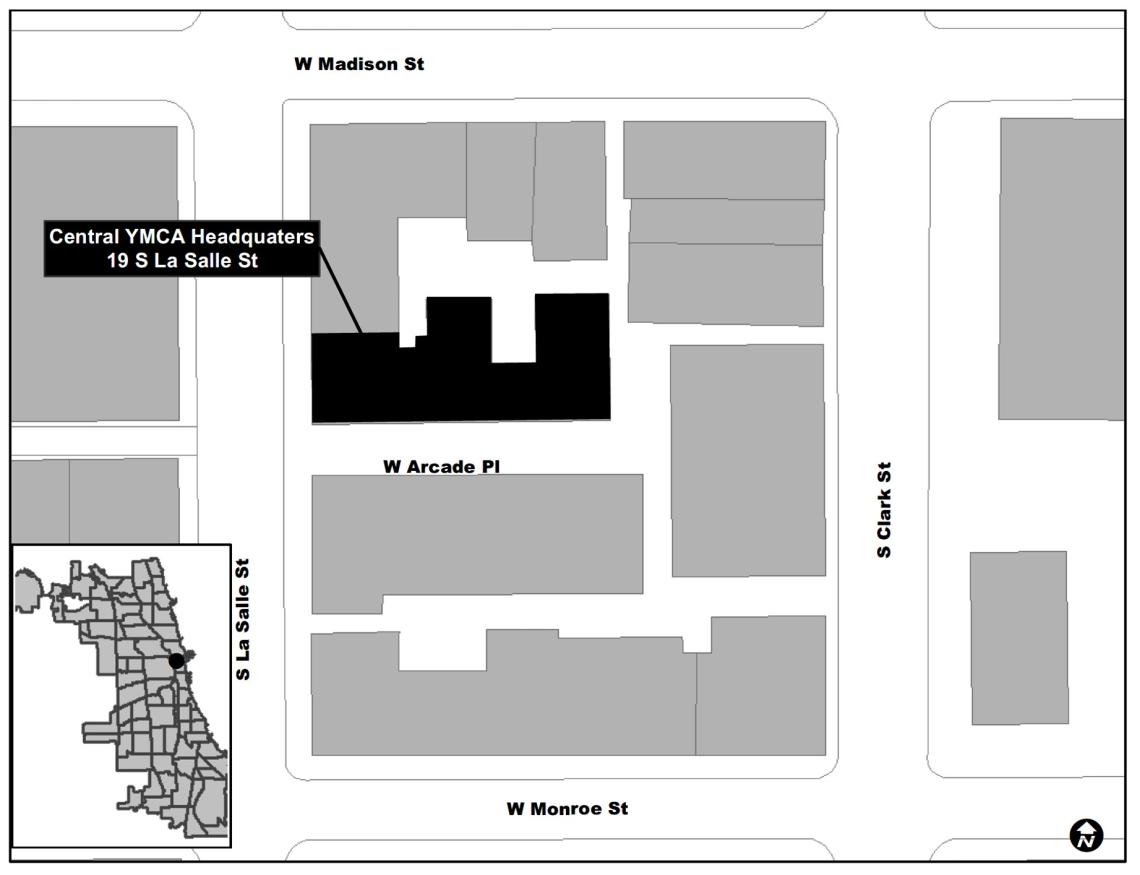 19 S. LaSalleCommission on Chicago Landmarks
The building was identified as meeting Criterion 1 for heritage as the Central YMCA Headquarters reflects the YMCA’s growing presence and popularity in Chicago in the late 19th and early 20th centuries. The Central YMCA Headquarters is a rare example of a YMCA facility that housed association programming within a high-rise commercial office building. It boasted nearly 40,000 square feet of modern office space, which was needed to offset construction and operation costs in Chicago’s expensive central business district. From the 1920s through the 1950s, the Central YMCA Headquarters served as the center for the Chicago association’s educational programming. The building’s central location and abundance of classroom space made it the ideal facility for these programs.
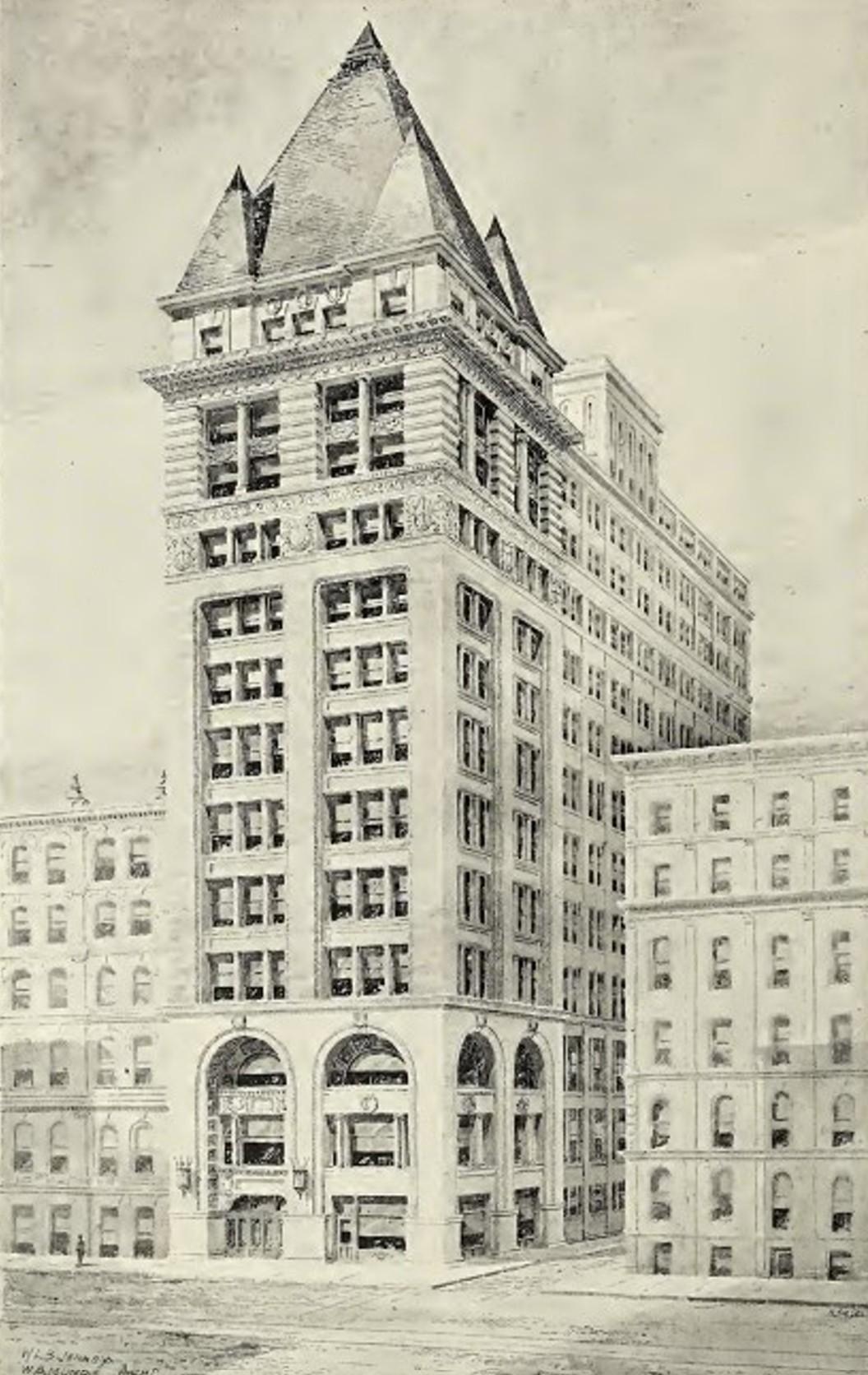 19 S. LaSalleCommission on Chicago Landmarks/Inland Architect
Also meeting Criterion 4 for exemplary architecture, the Central YMCA Headquarters is an early example of a fireproof, steel-frame skyscraper in Chicago, and combines the exuberant historicism of late-19th century architecture with the growing influence of the Chicago School, which emphasized expression of structure and restrained ornamentation.
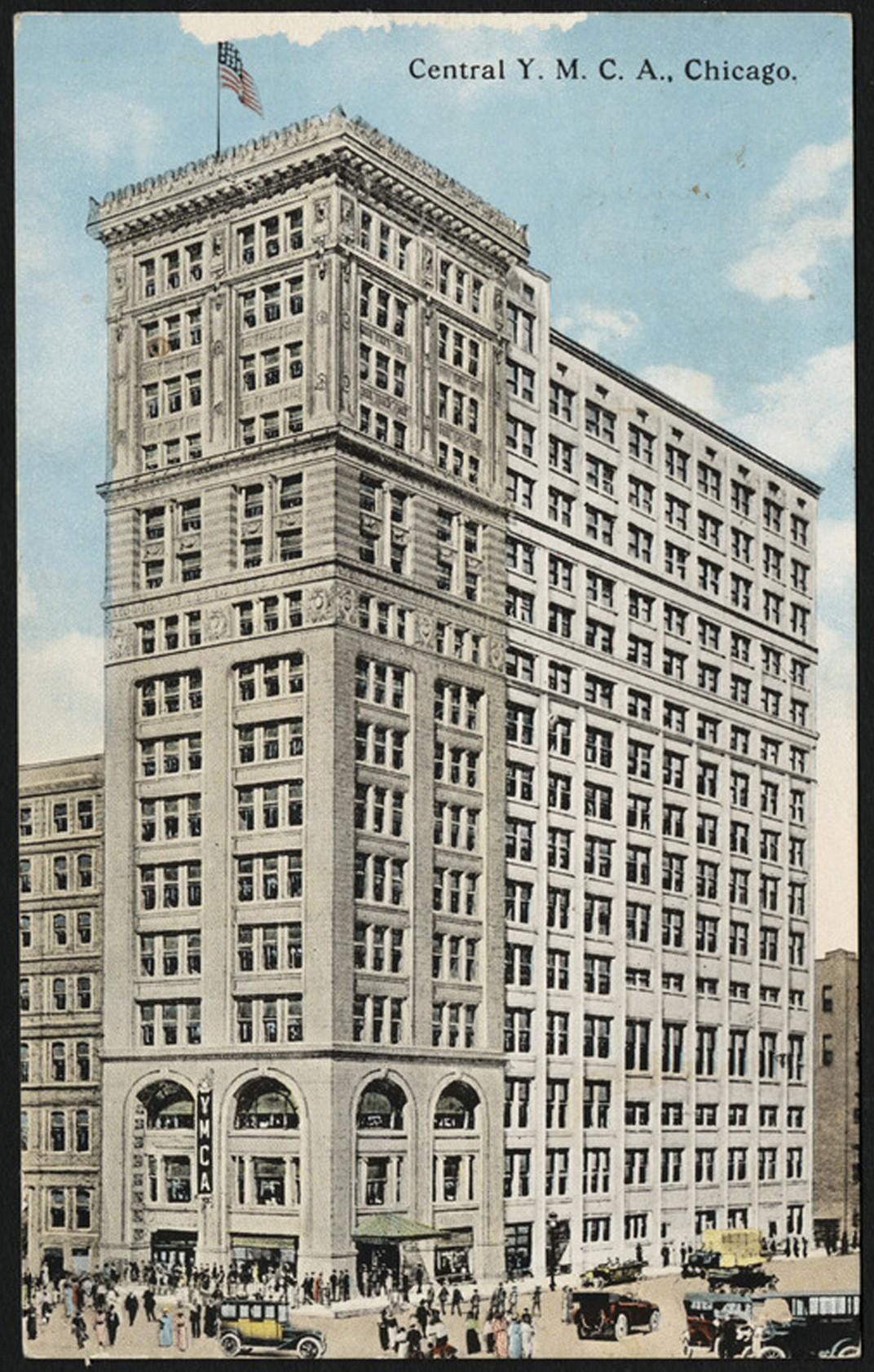 19 S. LaSalleCommission on Chicago Landmarks/Cliff Smith YMCA Postcard Collection
The west tower of the building, both in its original form with Romanesque “campanile” and as redesigned in the Classical Revival style in 1913, presented a traditional face to LaSalle Street, while the stripped-down south elevation reflected Jenney’s functional design philosophy.
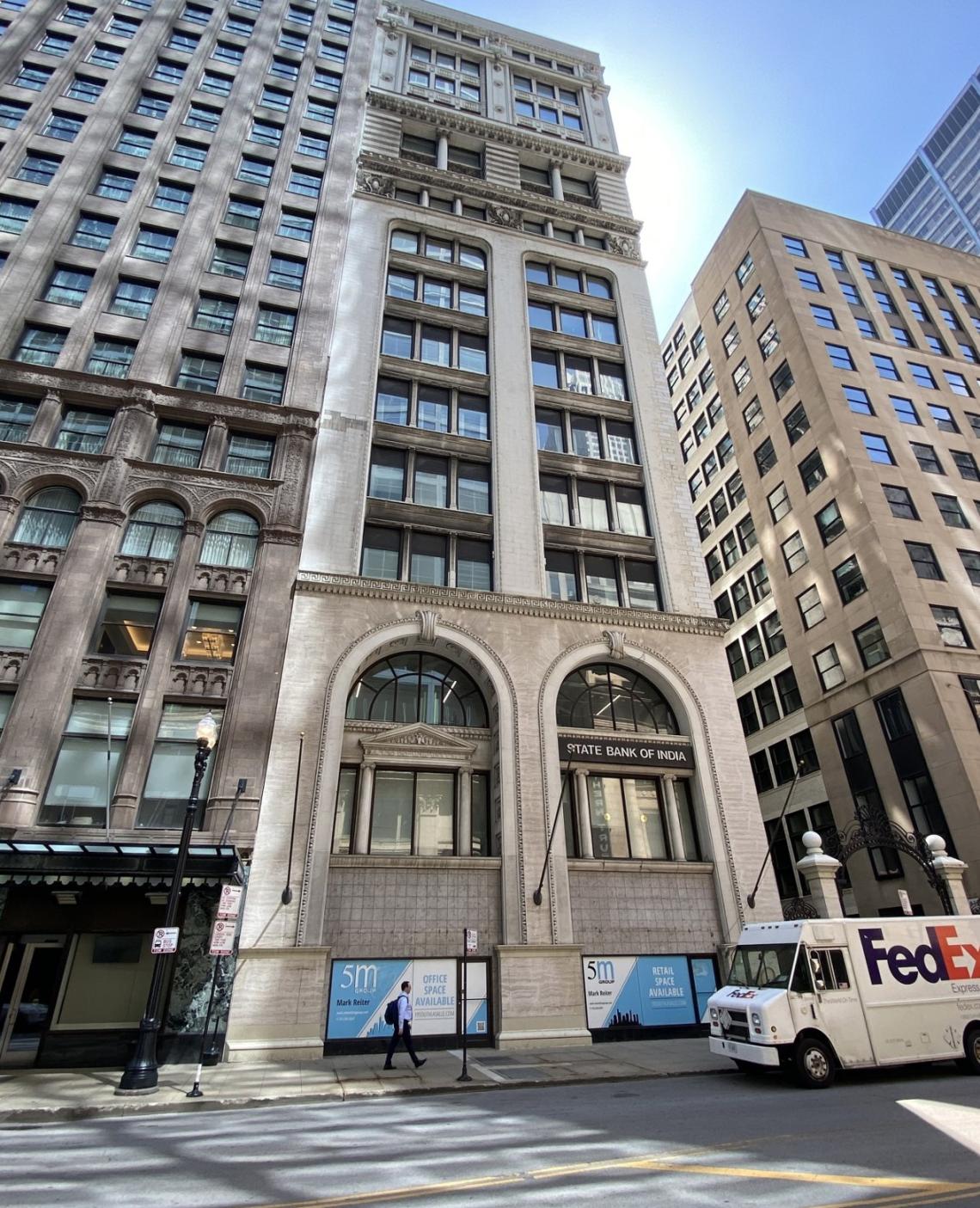 19 S. LaSalleCommission on Chicago Landmarks
The building also meets Criterion 5 for its association with an important architect. The 1893 Central YMCA Headquarters was designed by Chicago architectural firm Jenney & Mundie, with the 1913 addition designed by their successor firm Jenney, Mundie & Jensen. Founded by William Le Baron Jenney (1832-1907) and William Bryce Mundie (1864-1939), Jenney & Mundie designed some of Chicago’s best-known early skyscrapers including the Manhattan Building (1891), Second Leiter Building (1891), Ludington Building (1892), and New York Life Insurance Building (1894), all extant and designated Chicago Landmarks.
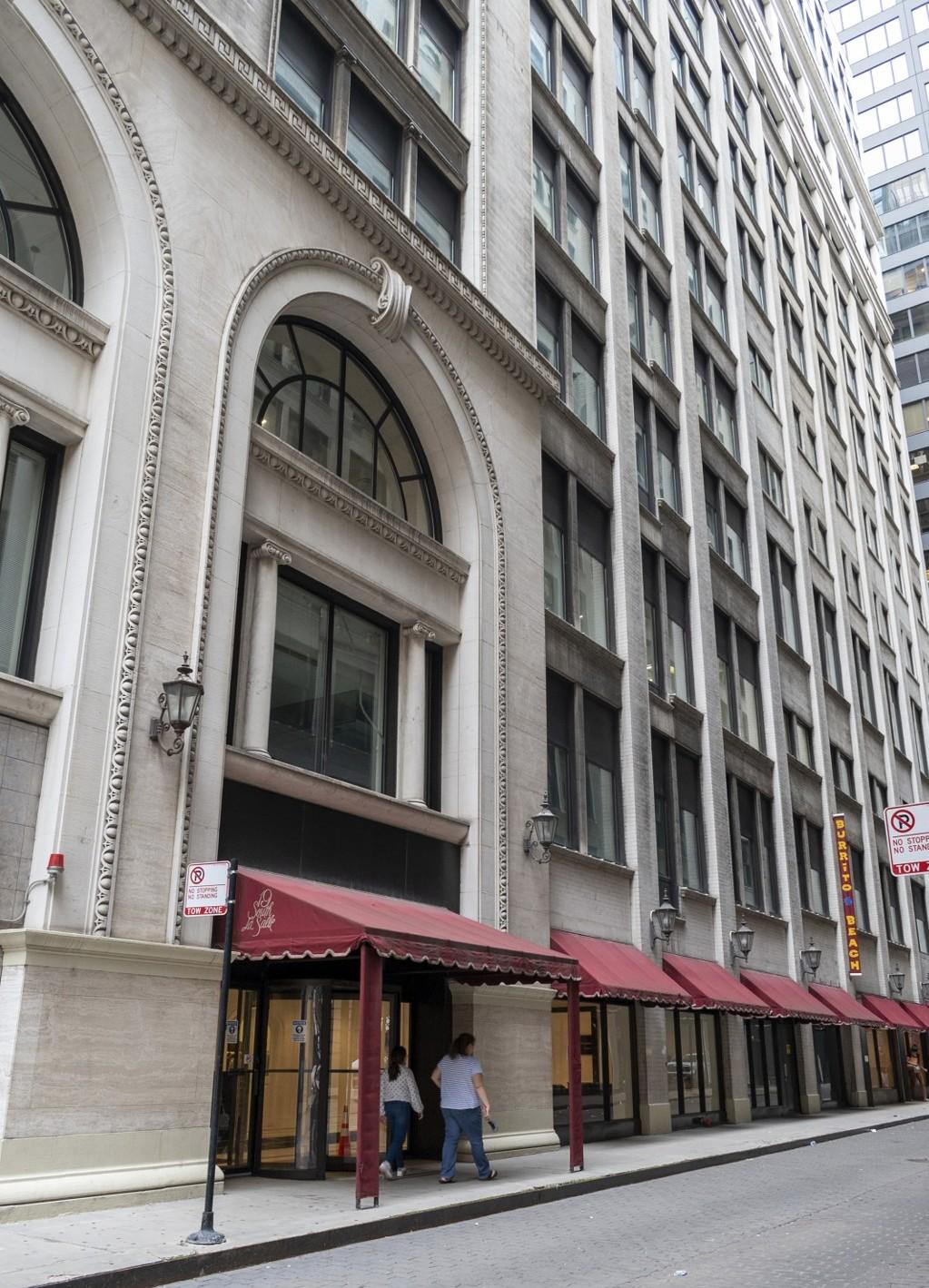 19 S. LaSalleCommission on Chicago Landmarks
Together with the New York Life Building at 37-43 S. LaSalle, the Central YMCA Headquarters represents the only remaining extant examples of the work of William Le Baron Jenney in the Loop. Widely recognized as the “father of the skyscraper,” senior partner William Le Baron Jenney developed the concept of skeleton-frame construction whereby the weight of a building rests on an internal framework of iron or steel rather than its exterior walls. This technological advance revolutionized building construction throughout the world.
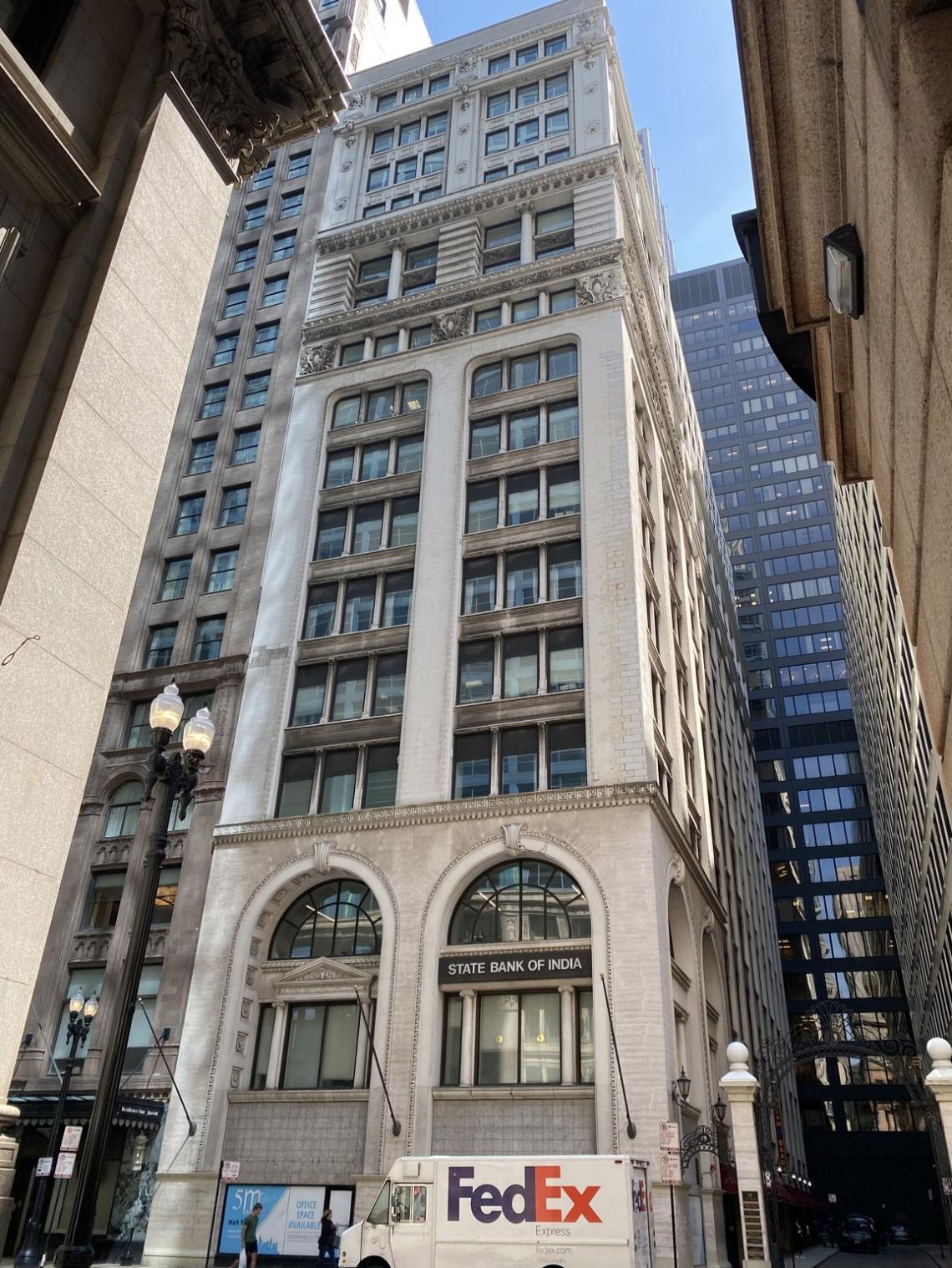 19 S. LaSalleCommission on Chicago Landmarks
The Central YMCA Headquarters also meets the separate integrity criteria as it retains good integrity with its overall historic massing; stone, terra-cotta, and glazed brick exterior; and fenestration pattern. Though its ground level storefronts have been changed and its cornice has been removed, most of the changes to the building’s exterior appearance over its nearly 130-year life were made by the YMCA and express the association’s changing needs during the eight decades it occupied the building.
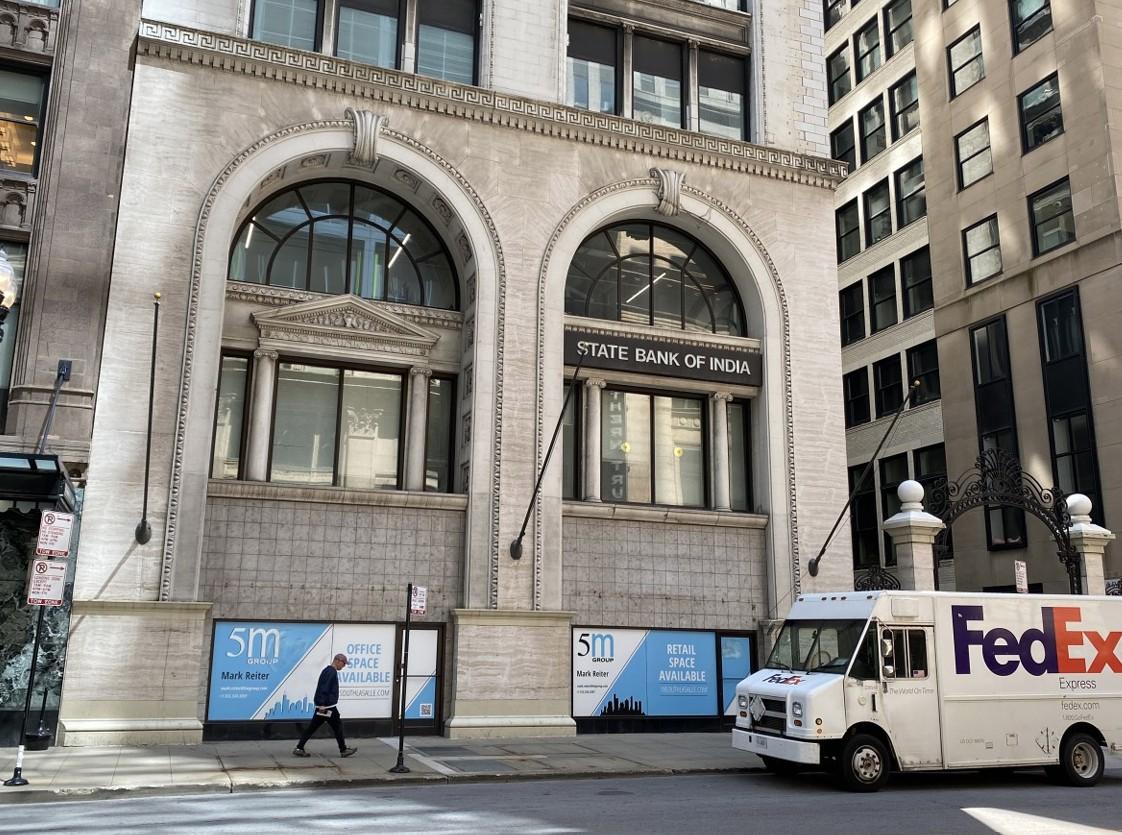 19 S. LaSalleCommission on Chicago Landmarks
With City Council approval secured, the building’s landmark designation has been approved, and the building will officially be designated as a Chicago landmark. The significant features of the building that will be protected includes all exterior elevations including rooflines of the building.
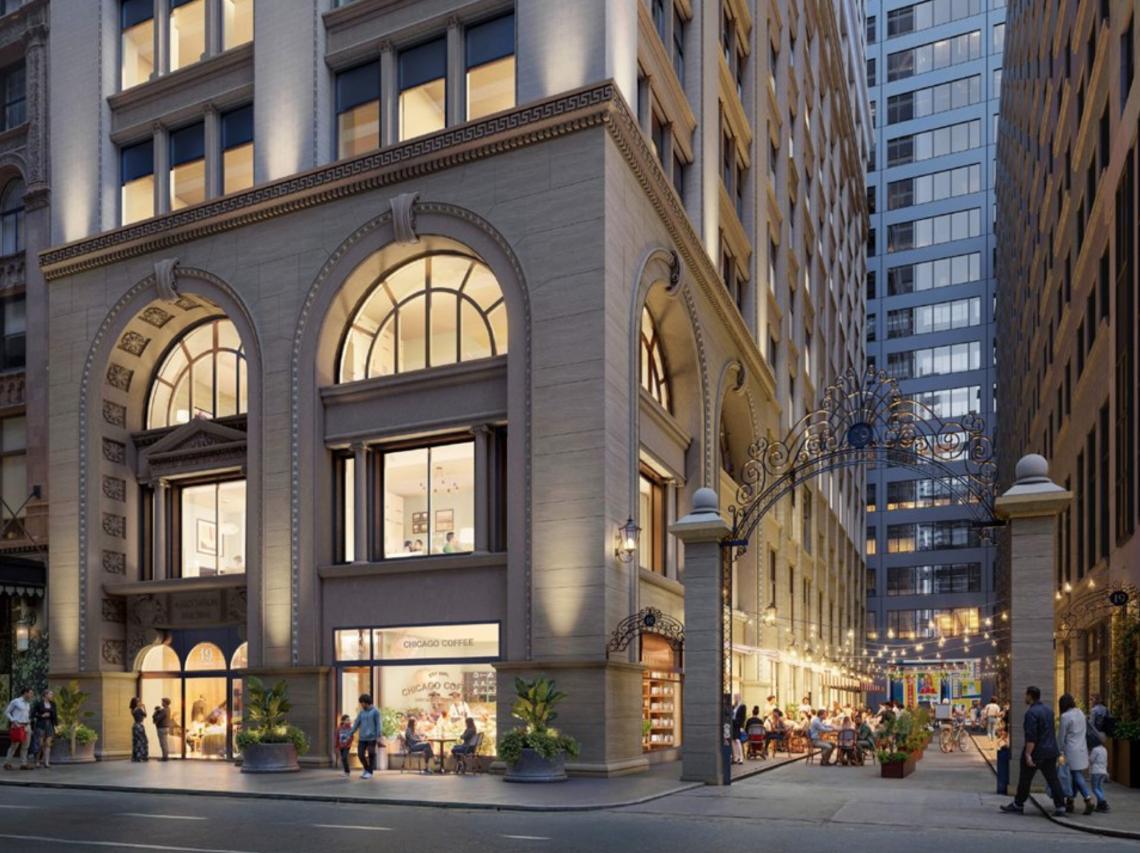 19 S. LaSalleHartshorne Plunkard Architecture
The building’s new developer recently received a permit to demolish the interior of the building to make way for the planned residential conversion. Designed by Hartshorne Plunkard Architecture, the residential conversion will see the construction of 207 new apartments on the upper floors of the building with new ground floor retail space at the base. General contractor Power Construction is expected to begin construction on the $64 million project in Spring 2026.